

Search for a watch winder and you'll find dozens of options between fifty and a thousand pounds, most making similar claims: quiet motor, premium finish, adjustable settings. The differences that actually matter are easy to miss if you don't know what to look for.
This guide covers the things worth checking before you buy, in the order they matter. Buying one as a gift rather than for yourself? Our gift guide covers that specifically.
1. Start With How Many Watches You Own

Before anything else, count the automatic watches you actually wear in rotation, not the collection you're hoping to build.
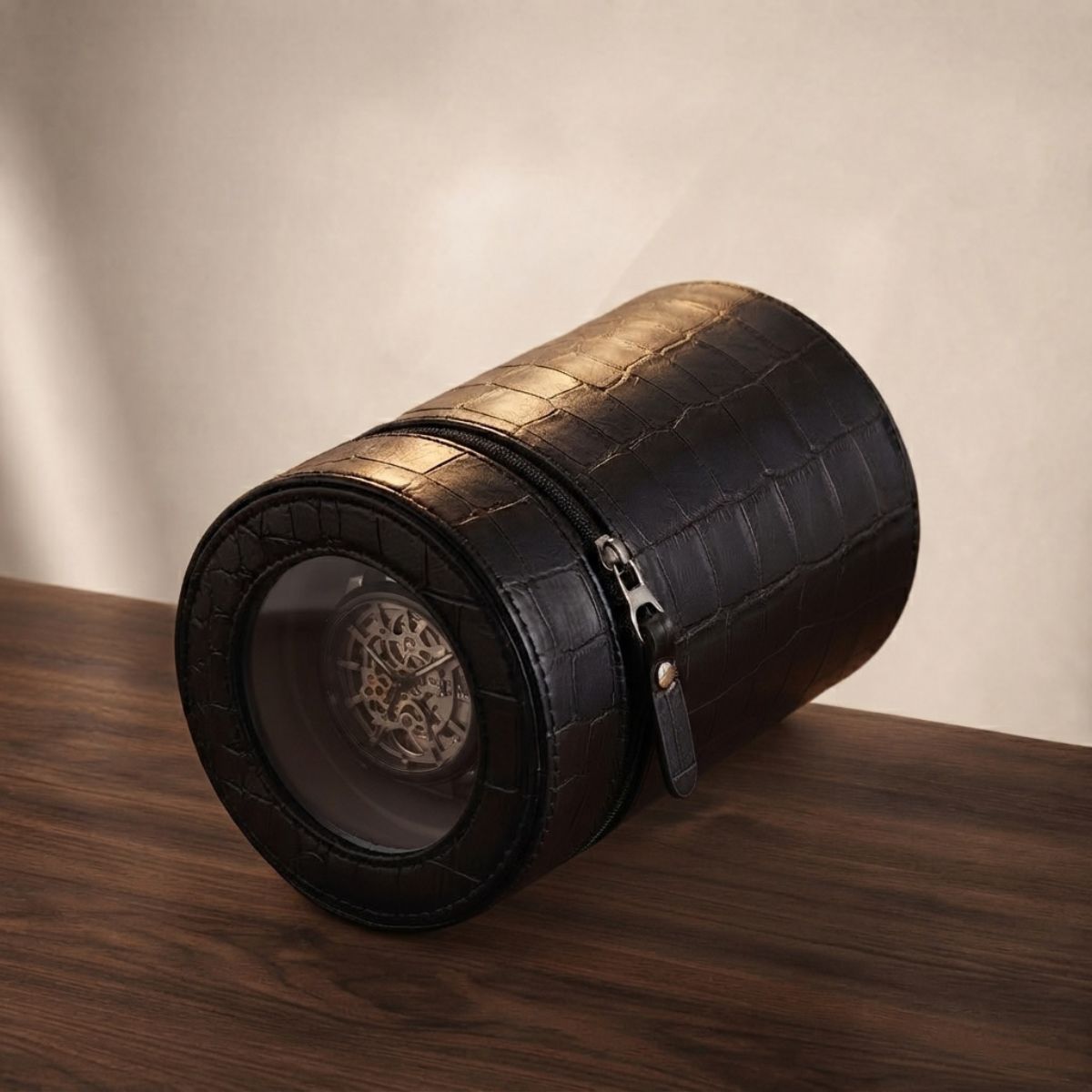
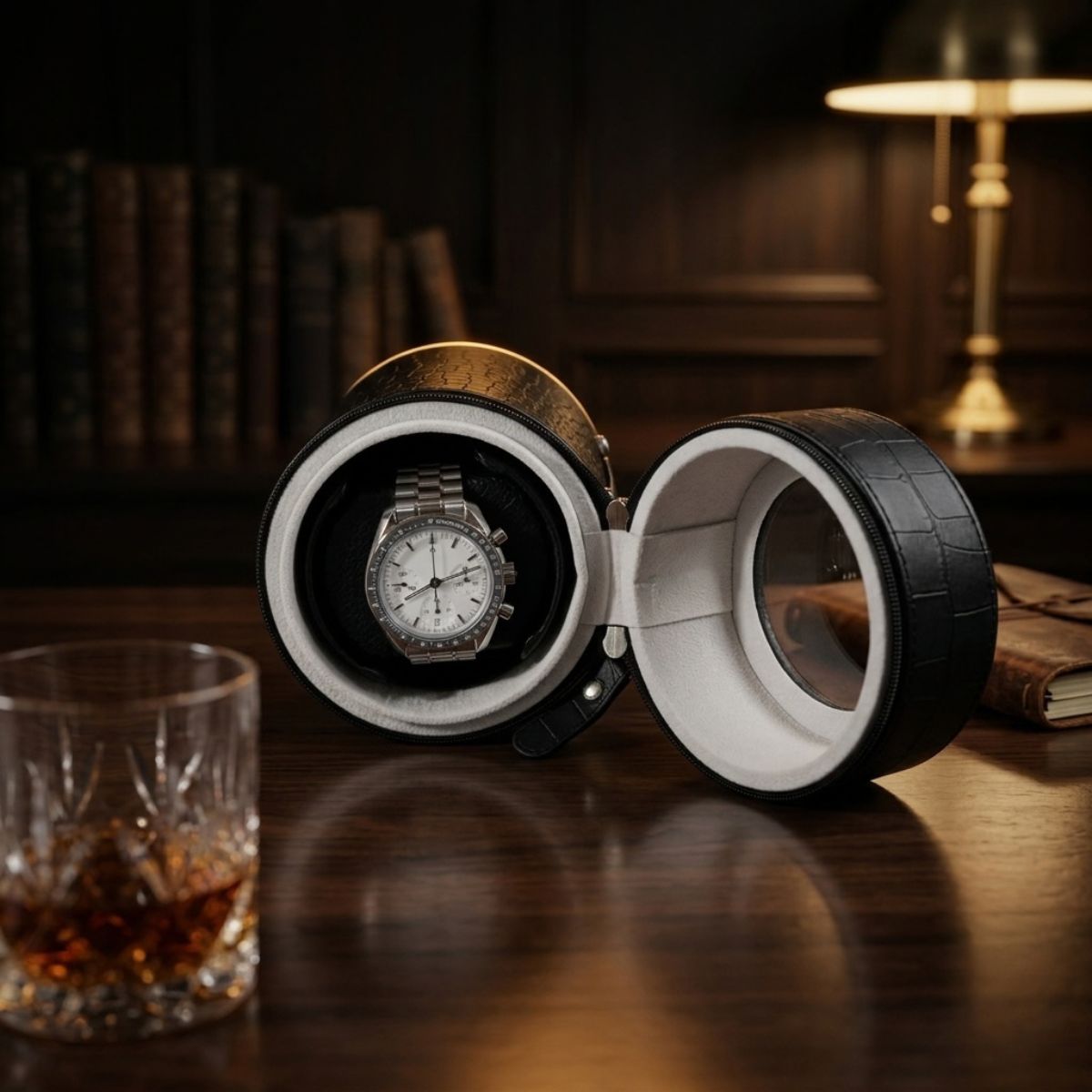
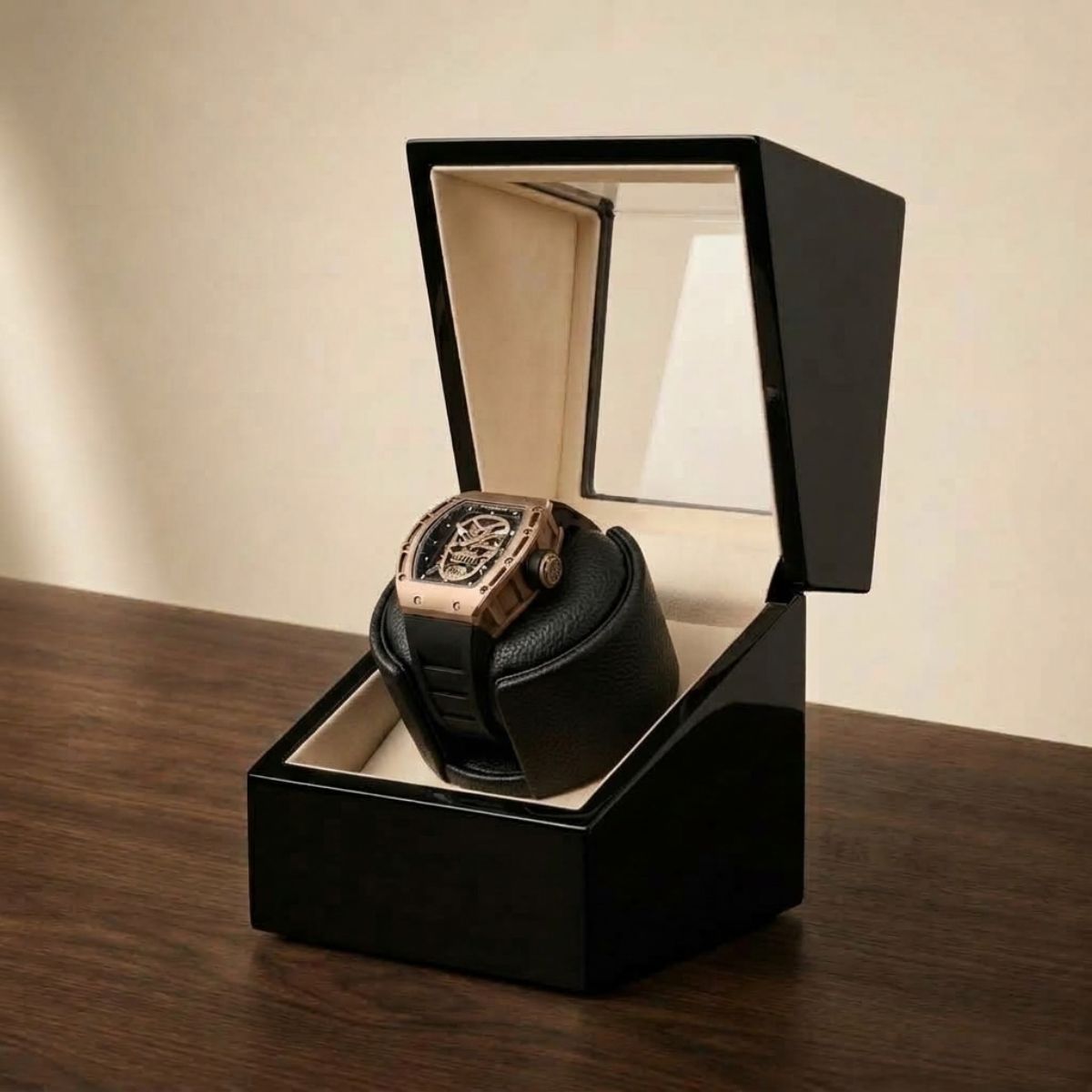
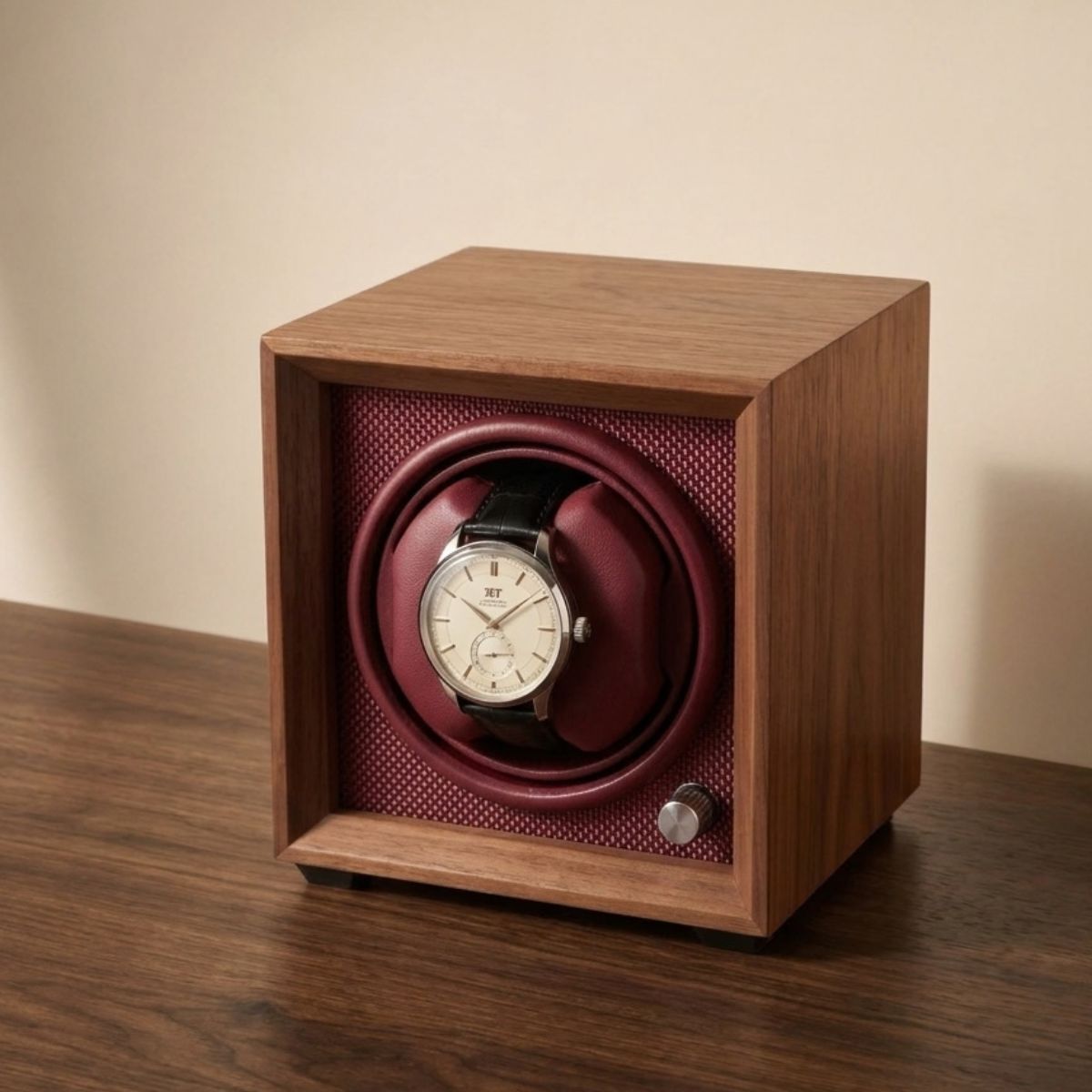
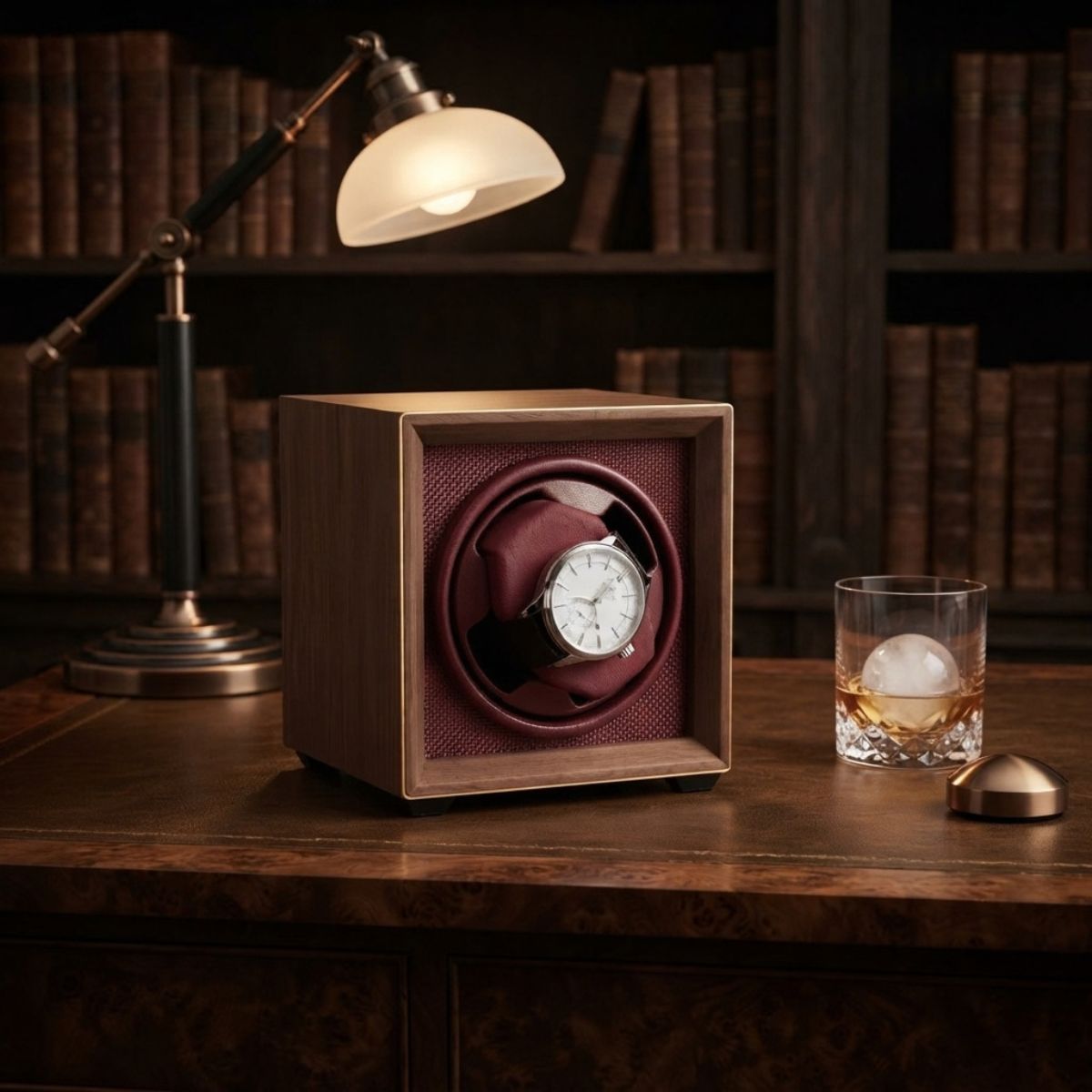
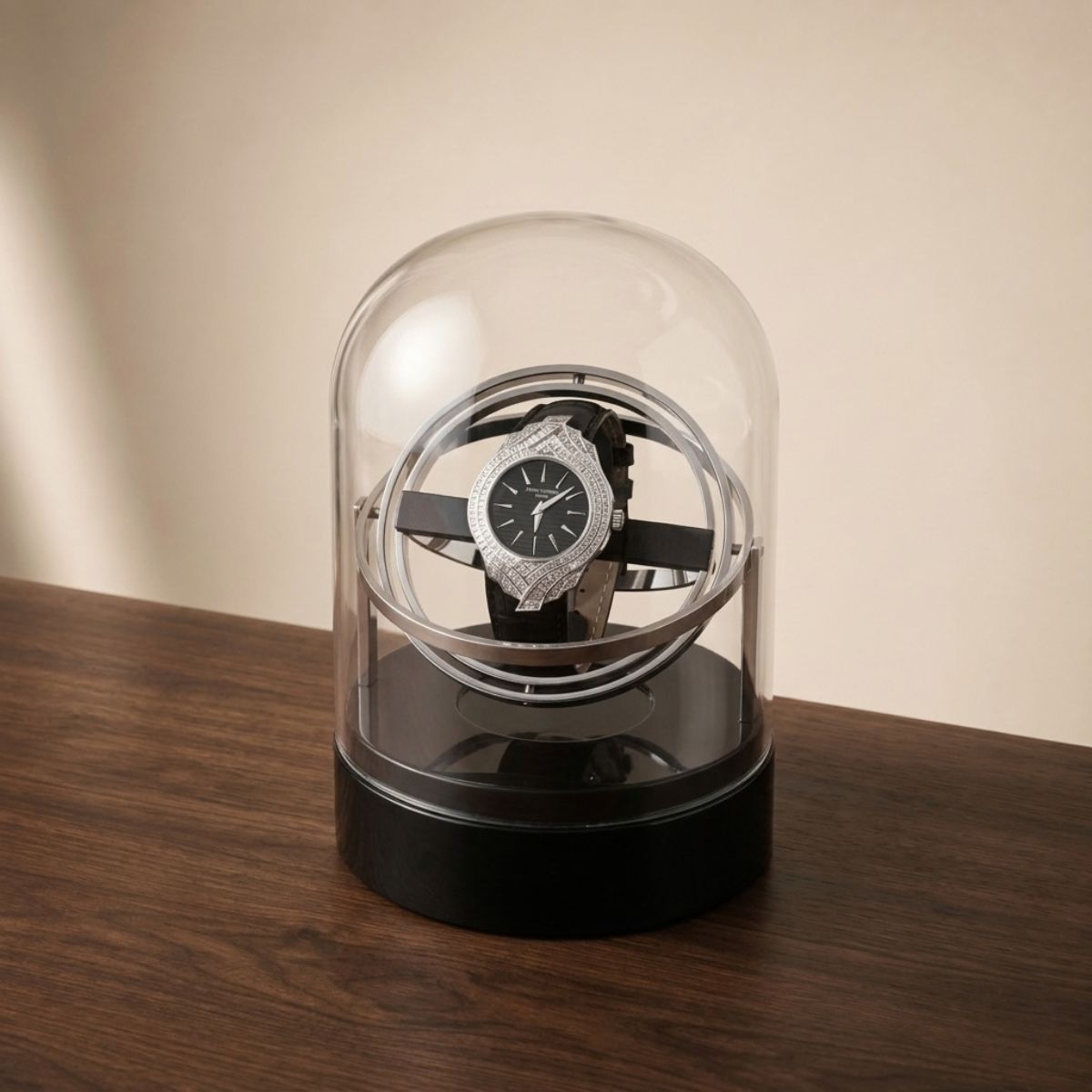
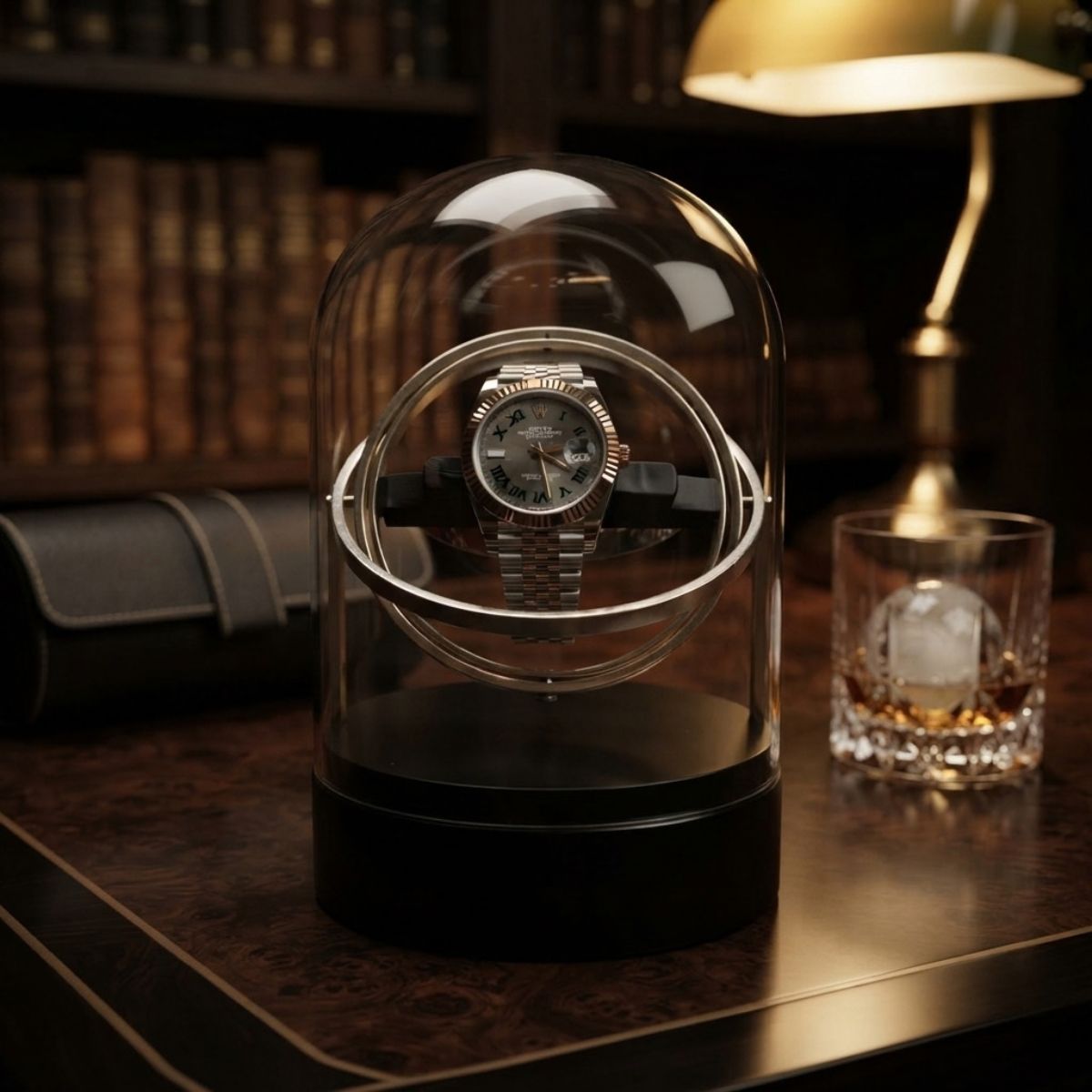
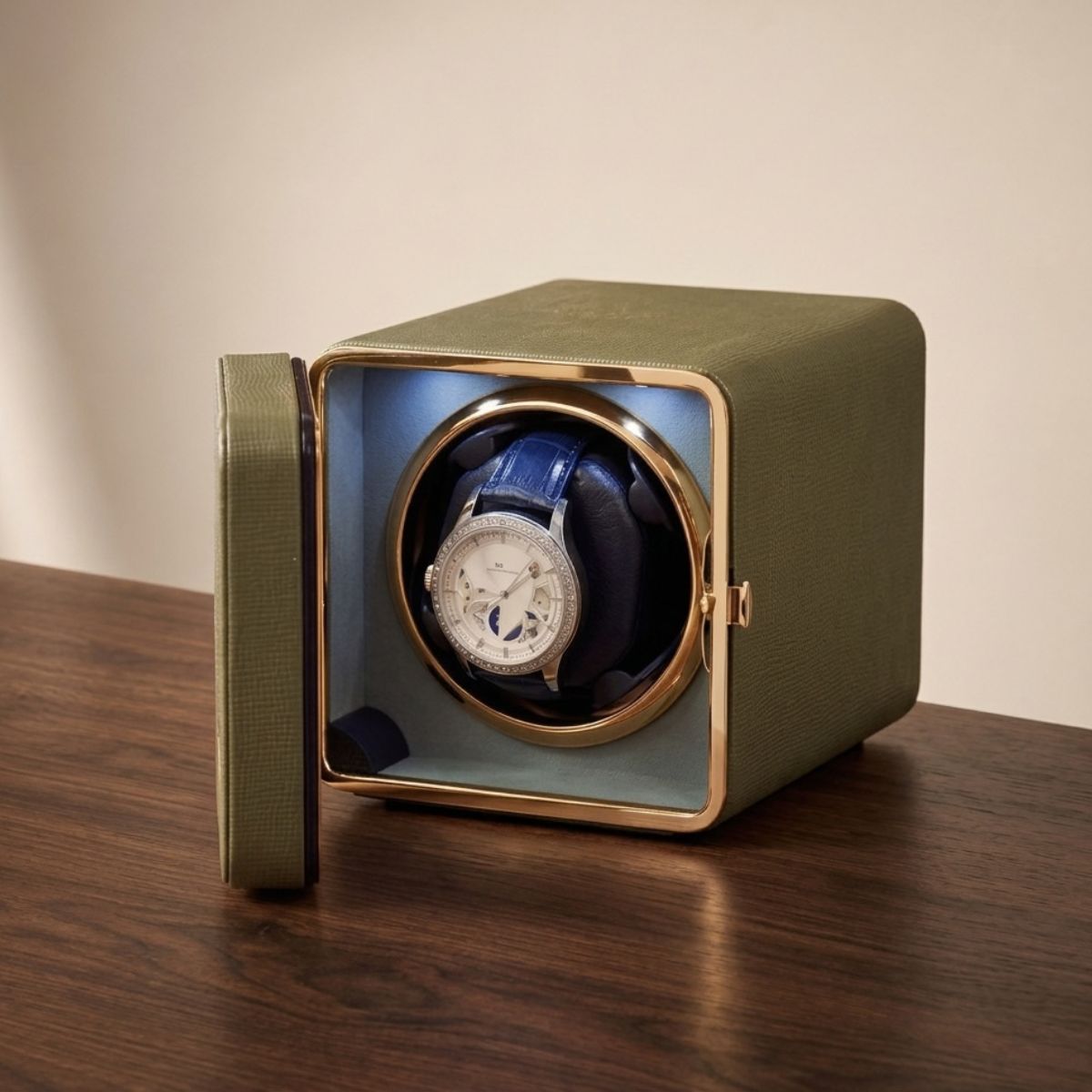
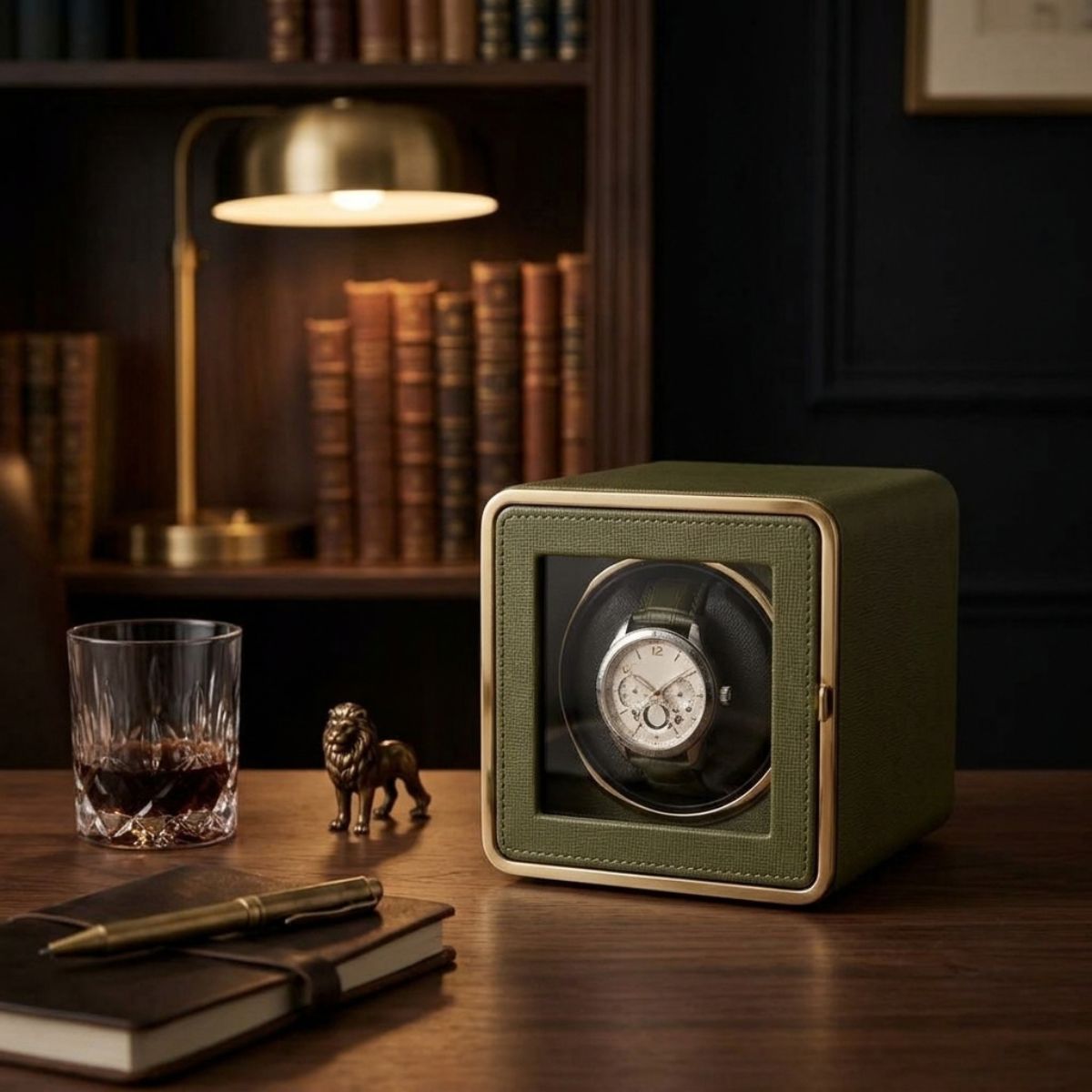
- One watch: a single watch winder
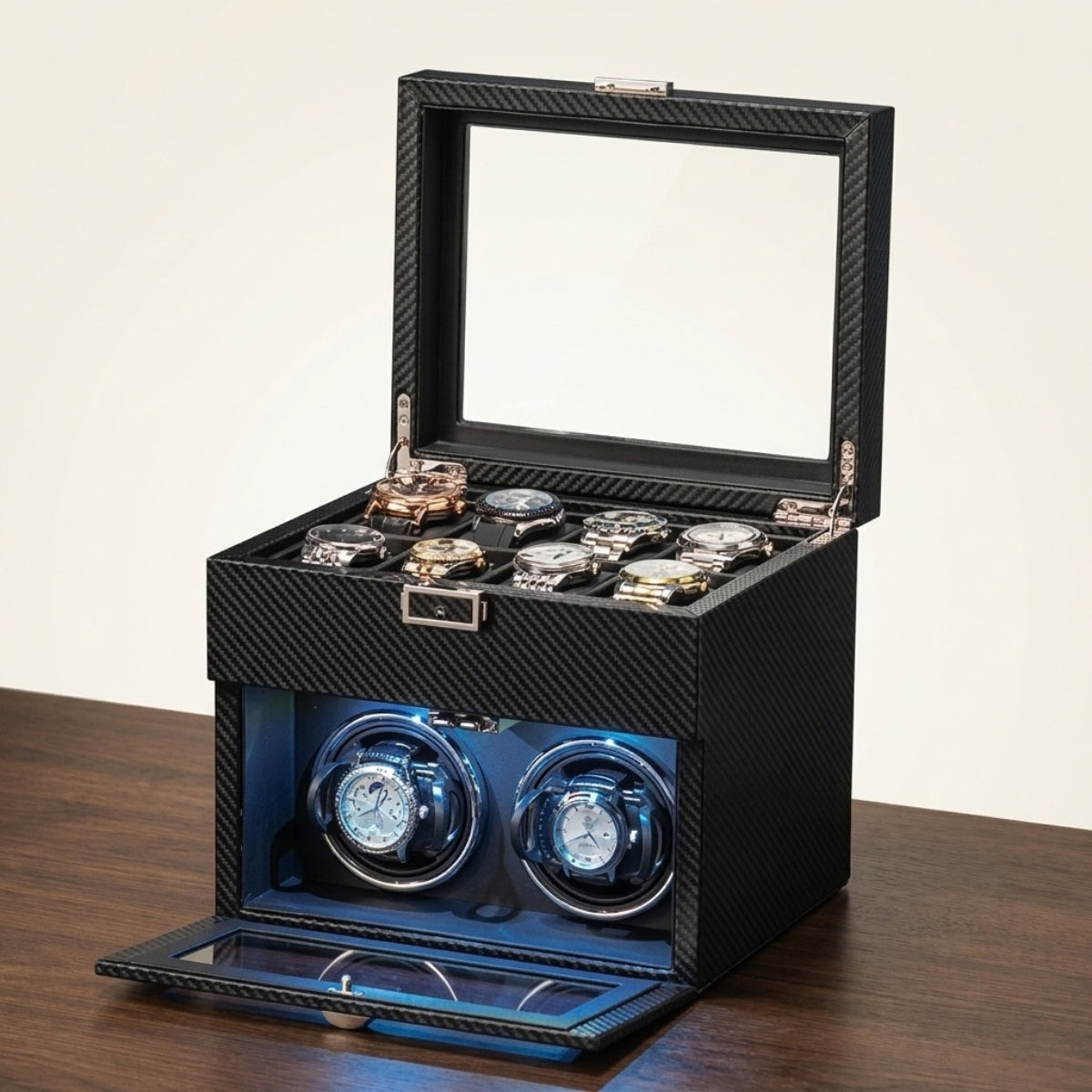
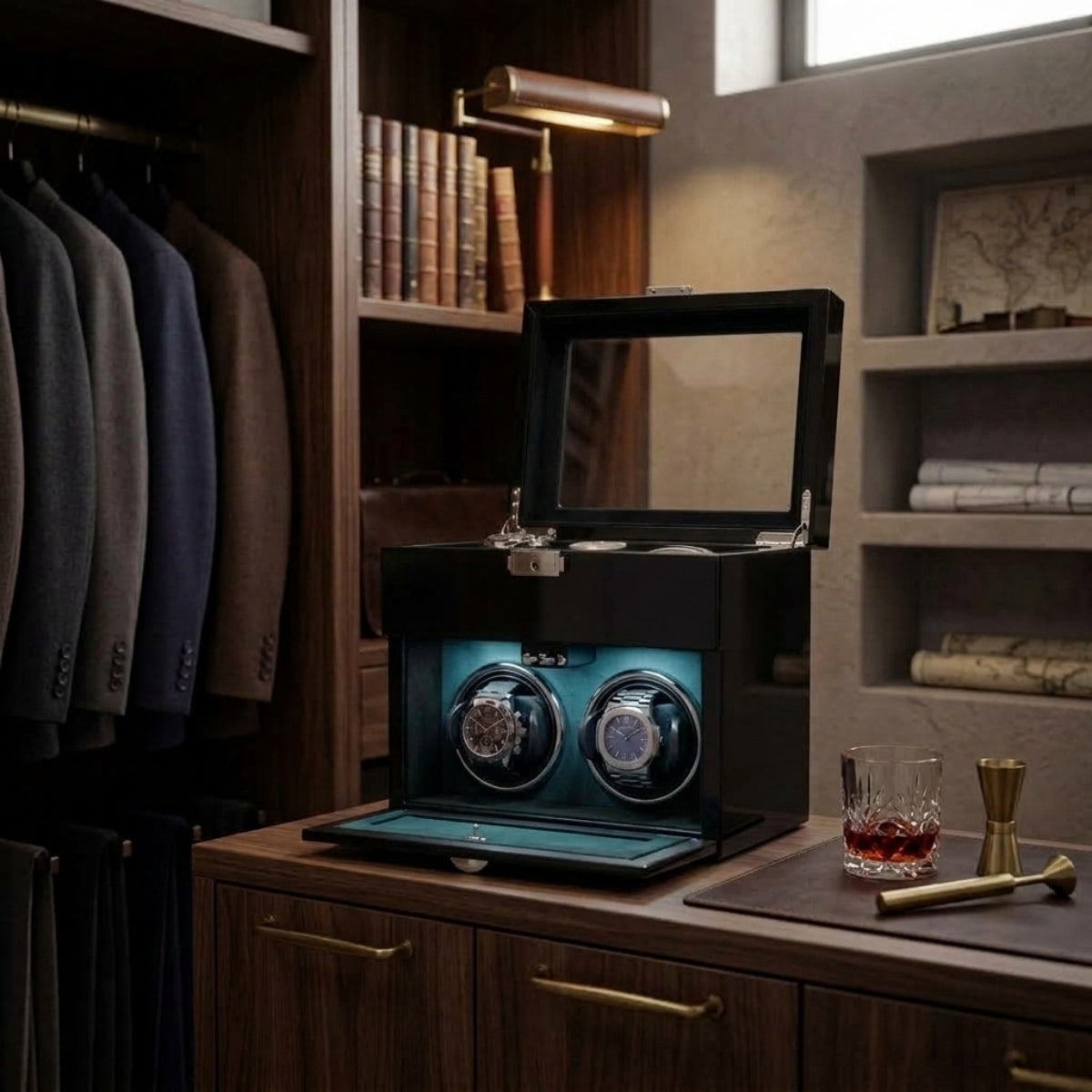
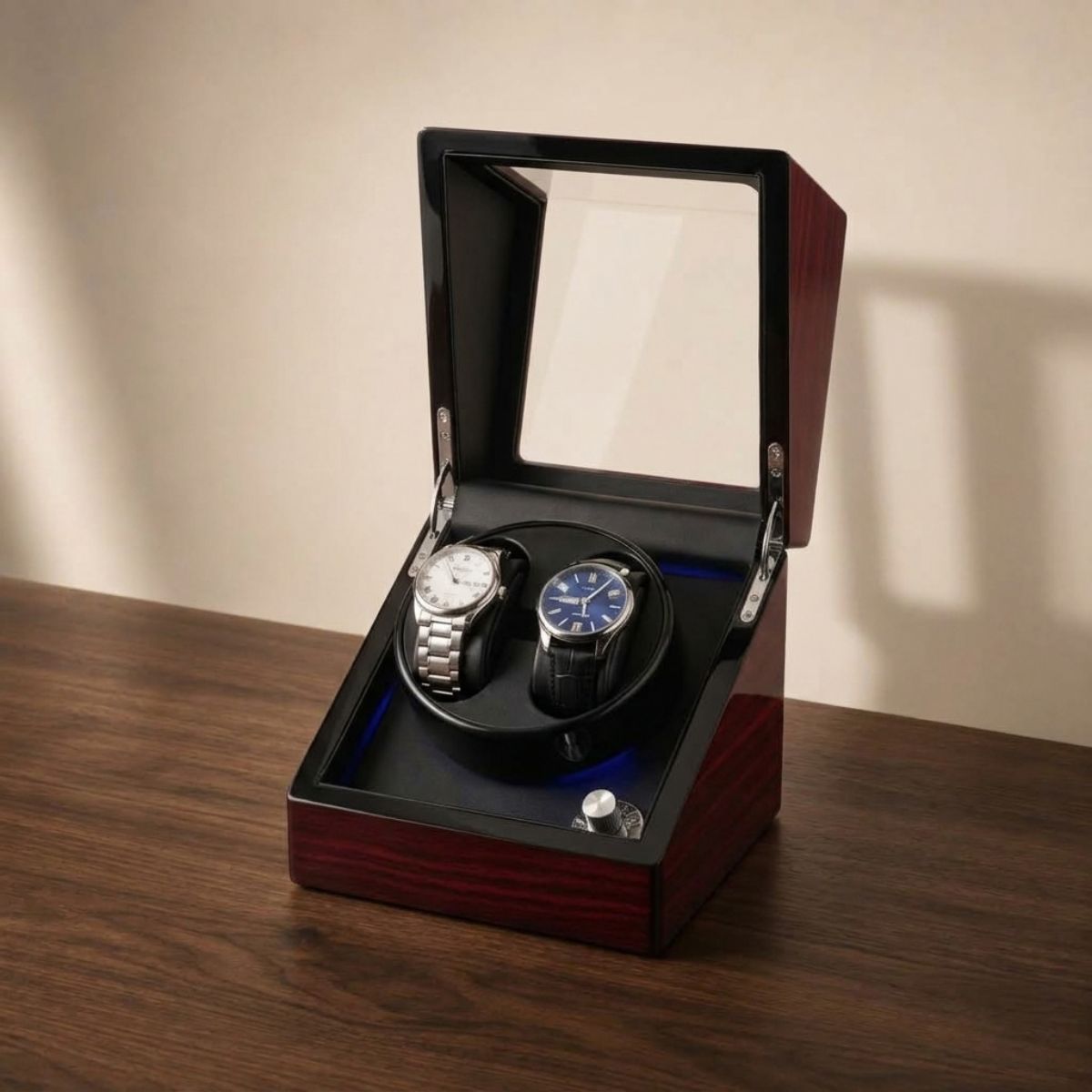
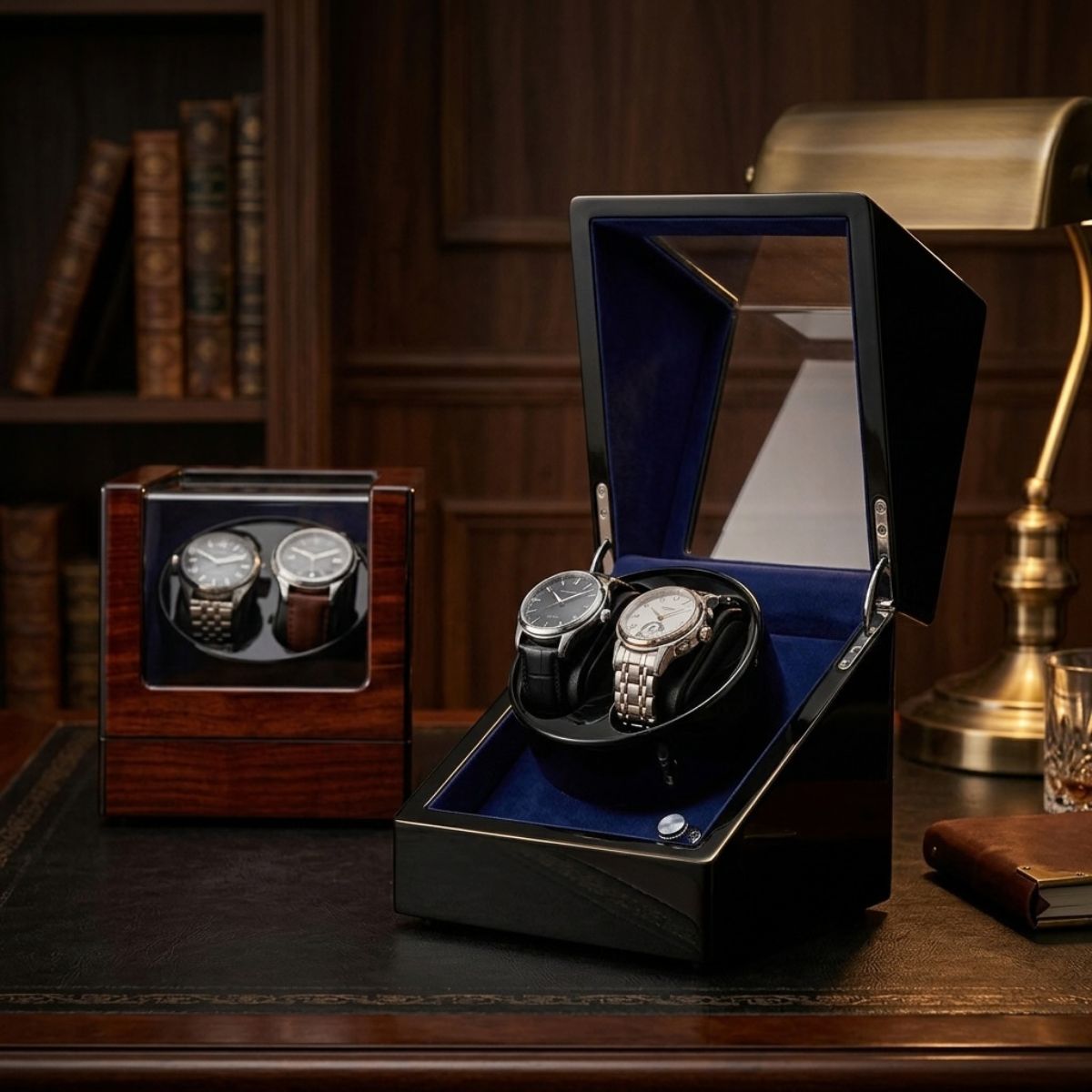
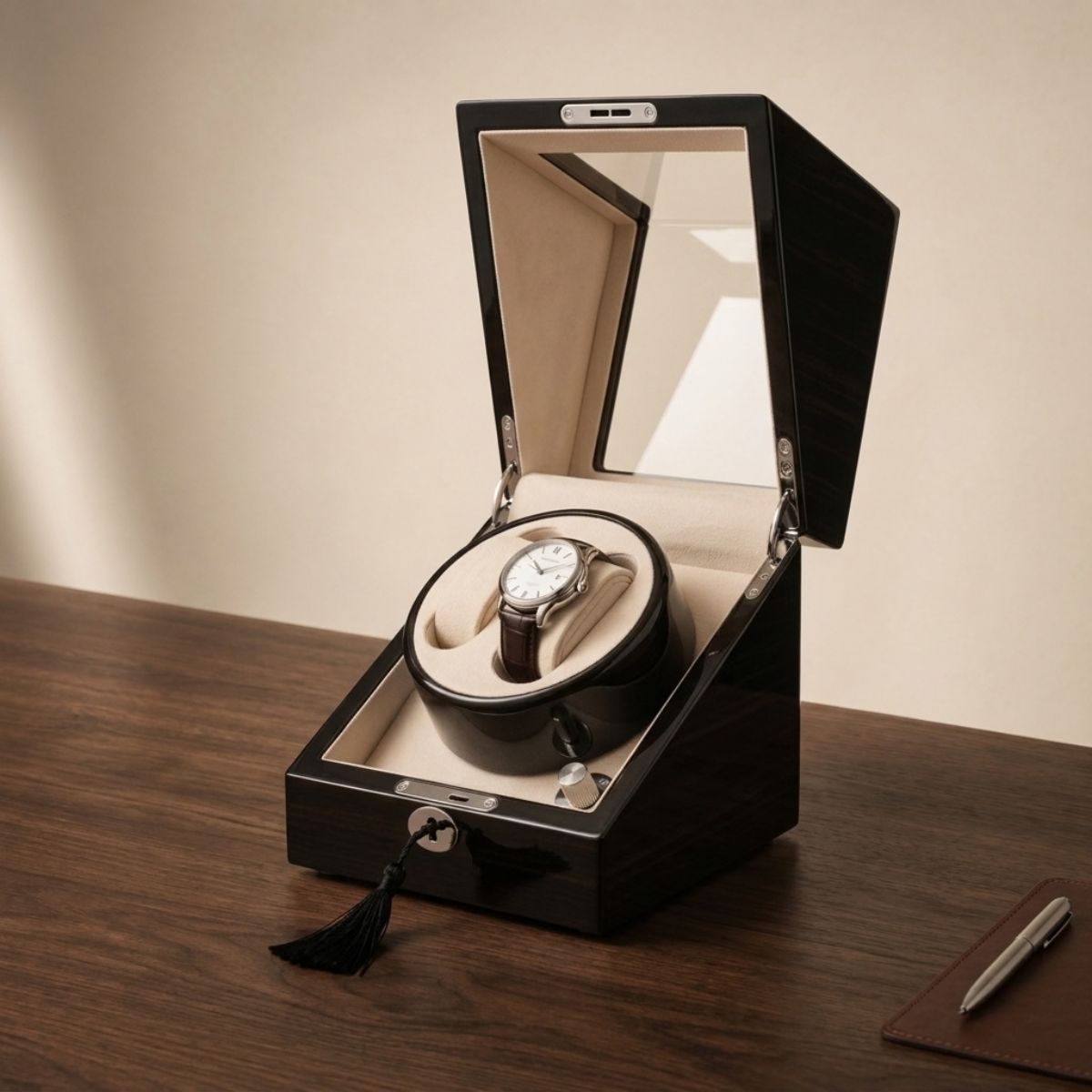
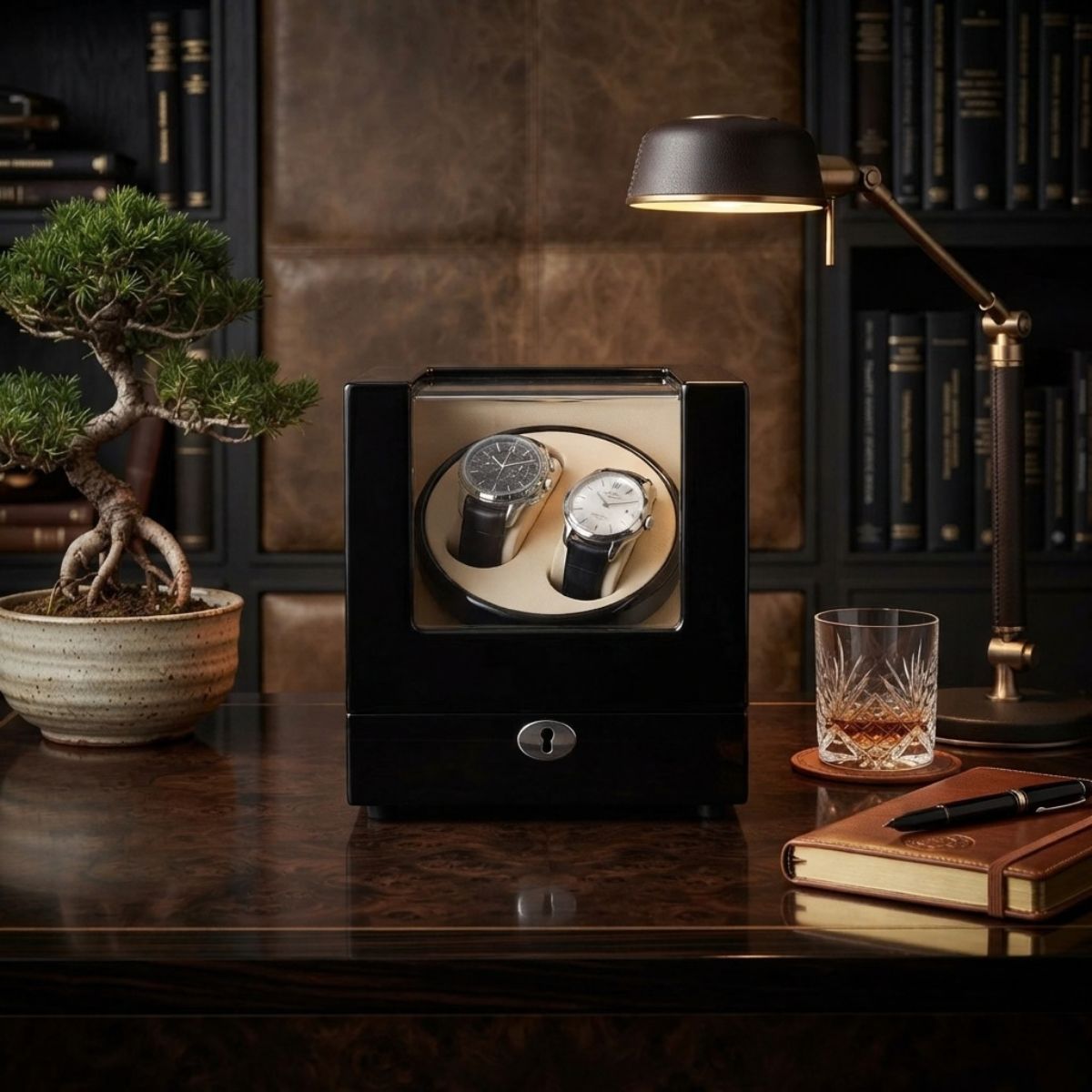
- Two, such as a daily watch and a dress piece: a double watch winder
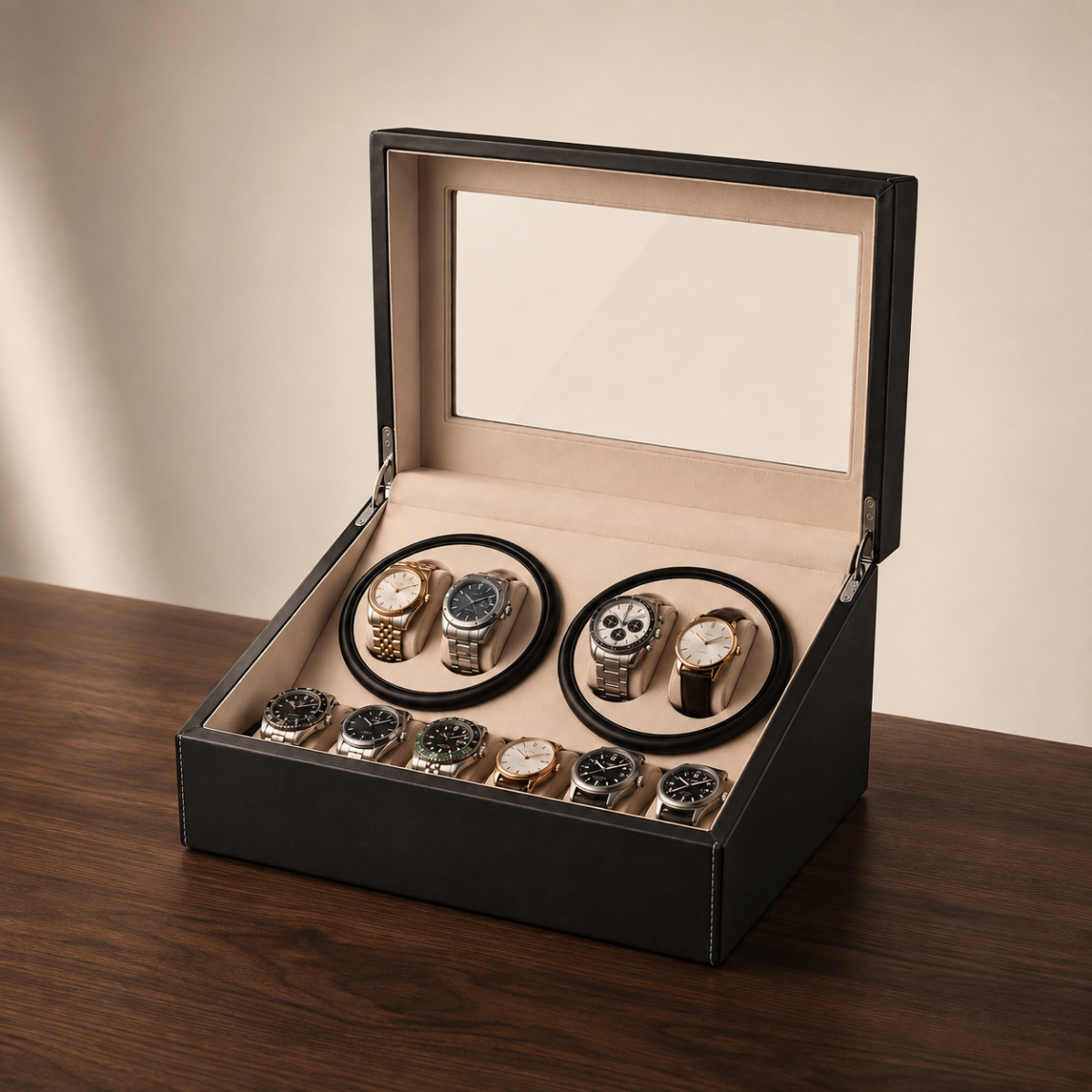
- Three or more: a multi watch winder
Buying larger than you need doesn't cause harm, but it does mean paying for empty slots. If you're not sure how a winder actually works, our guide to what a watch winder does is a good starting point.
2. Turns Per Day (TPD): Why It Matters
Every automatic movement needs a specific number of turns per day (TPD) to stay properly wound, typically somewhere between 600 and 950, though the exact figure depends on the calibre. Your watch's manual or the manufacturer's website will list the correct number.
A winder that only offers one fixed speed forces every watch through the same setting, whether it needs it or not. Look for one that lets you set the TPD to match your specific movement.
Tip: If you can't find the TPD for your watch, search the model name plus "turns per day" or contact the manufacturer directly. It's worth the five minutes before you buy a winder.
3. Rotation Direction: Clockwise, Counter-Clockwise or Both

Not every movement winds in both directions. Some chronograph calibres, the Valjoux 7750 among them, only wind when rotated counter-clockwise. Spin one the wrong way and it can turn for hours without winding at all.
A decent winder offers clockwise, counter-clockwise and bidirectional settings, so you can match the direction to your specific watch rather than guessing.
4. Motor Quality and Noise
This is where cheap winders usually fall short. Low-cost, unshielded motors can leak magnetic flux, and positioning your watch inches away from one for hours a day can magnetise the balance spring, causing it to gain or lose time for no obvious reason.
Noise is the other giveaway. A winder that sits on a bedroom nightstand needs to run silently through the night. If a product listing doesn't mention motor shielding or quiet operation specifically, ask before you buy.
5. Materials, Presentation and Aftercare
Materials
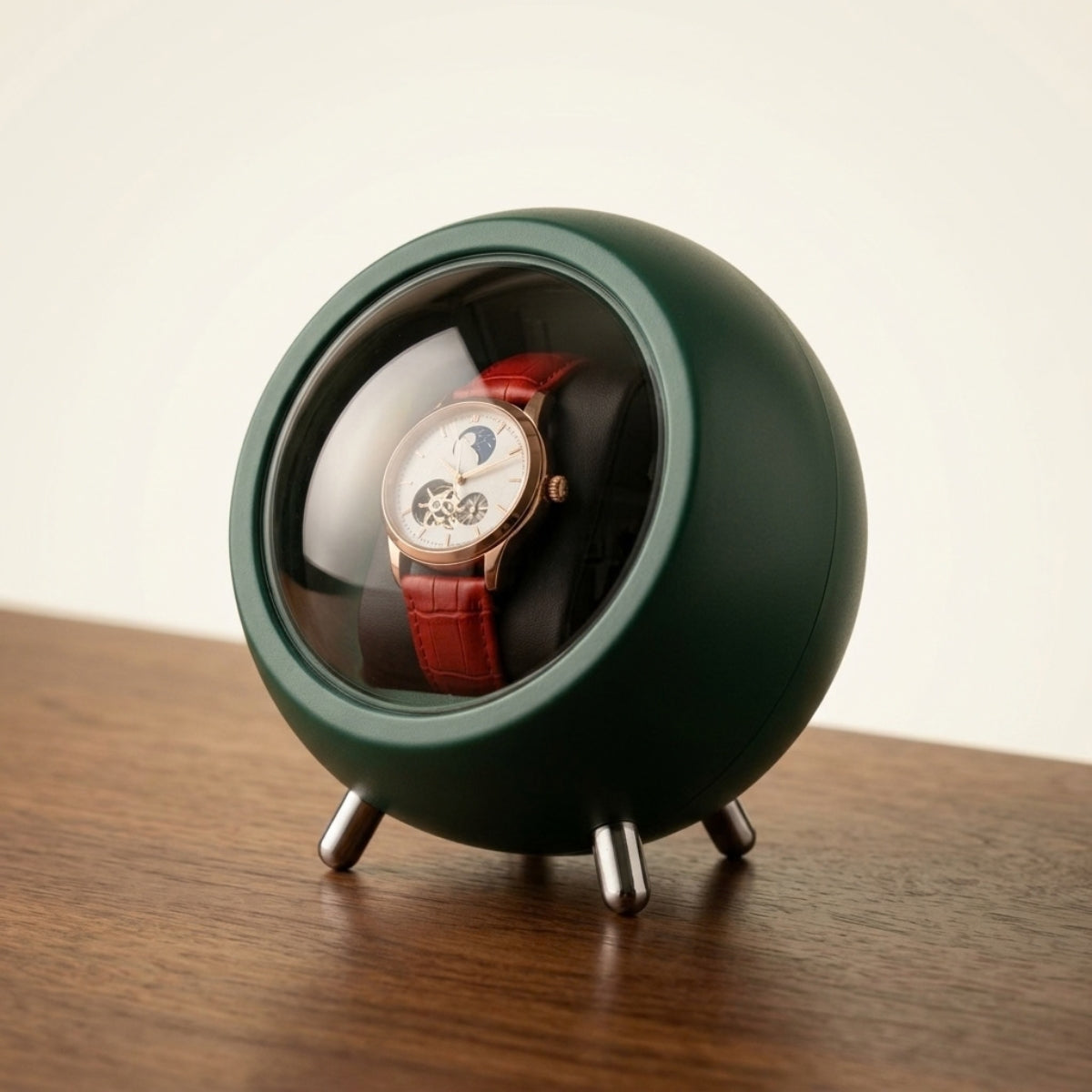
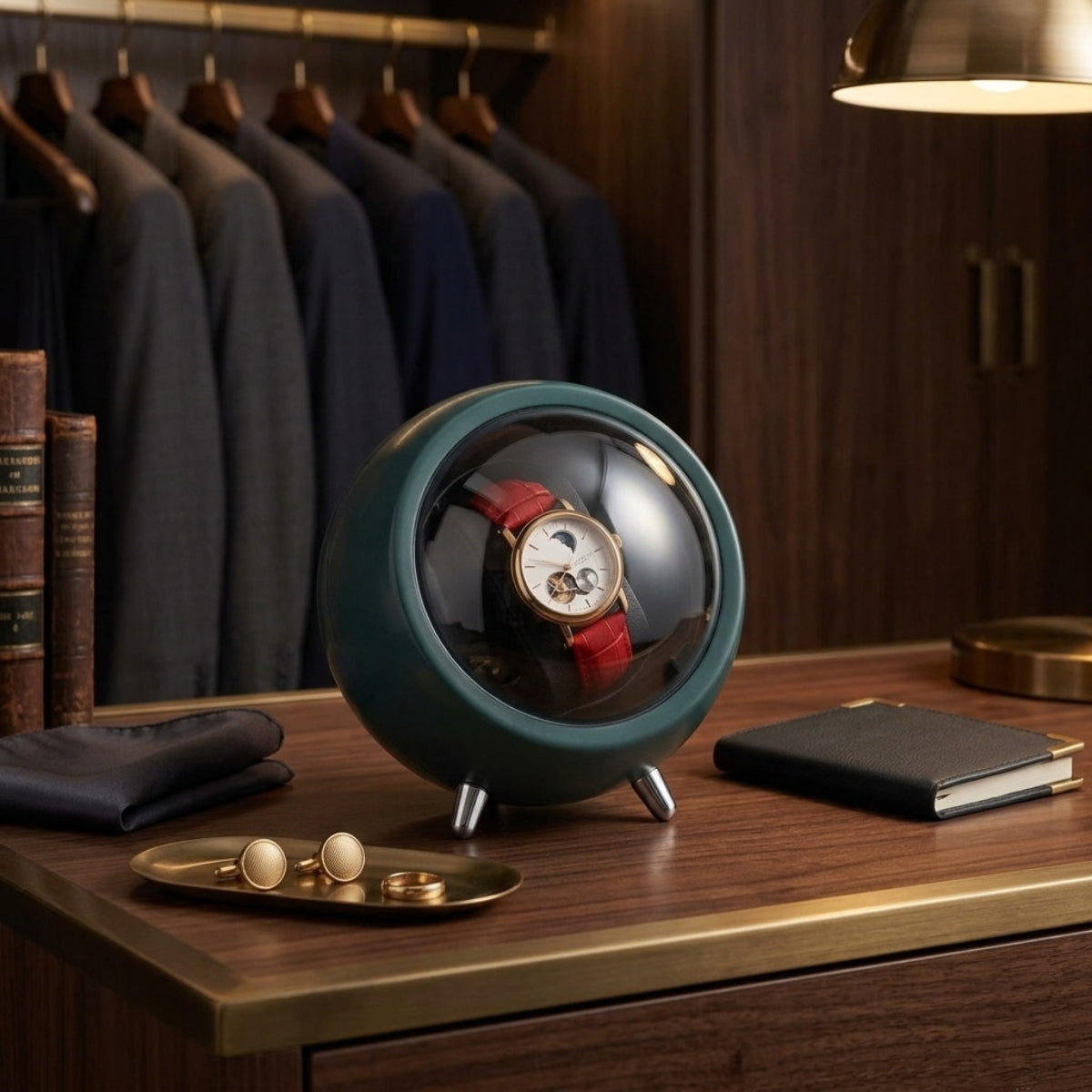
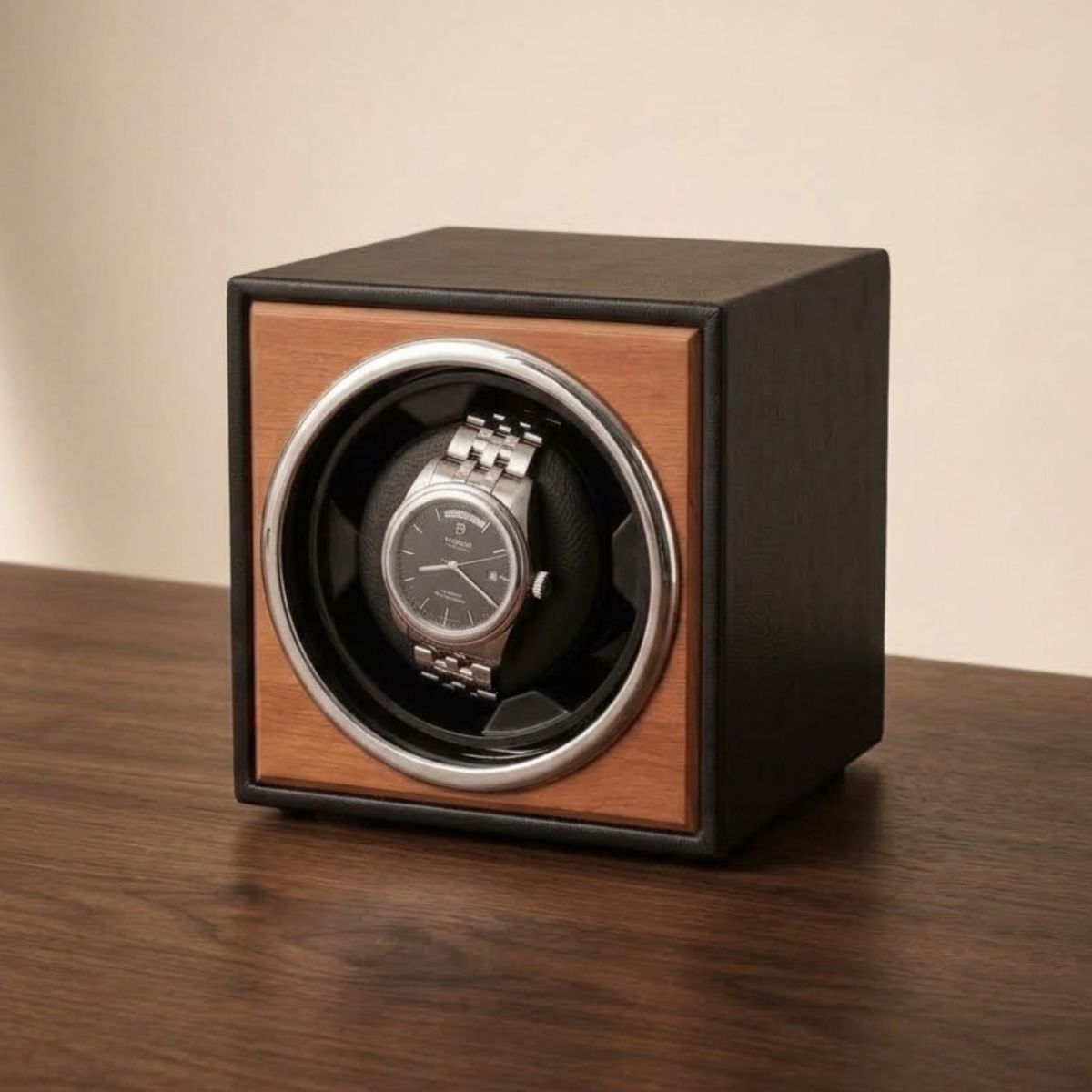
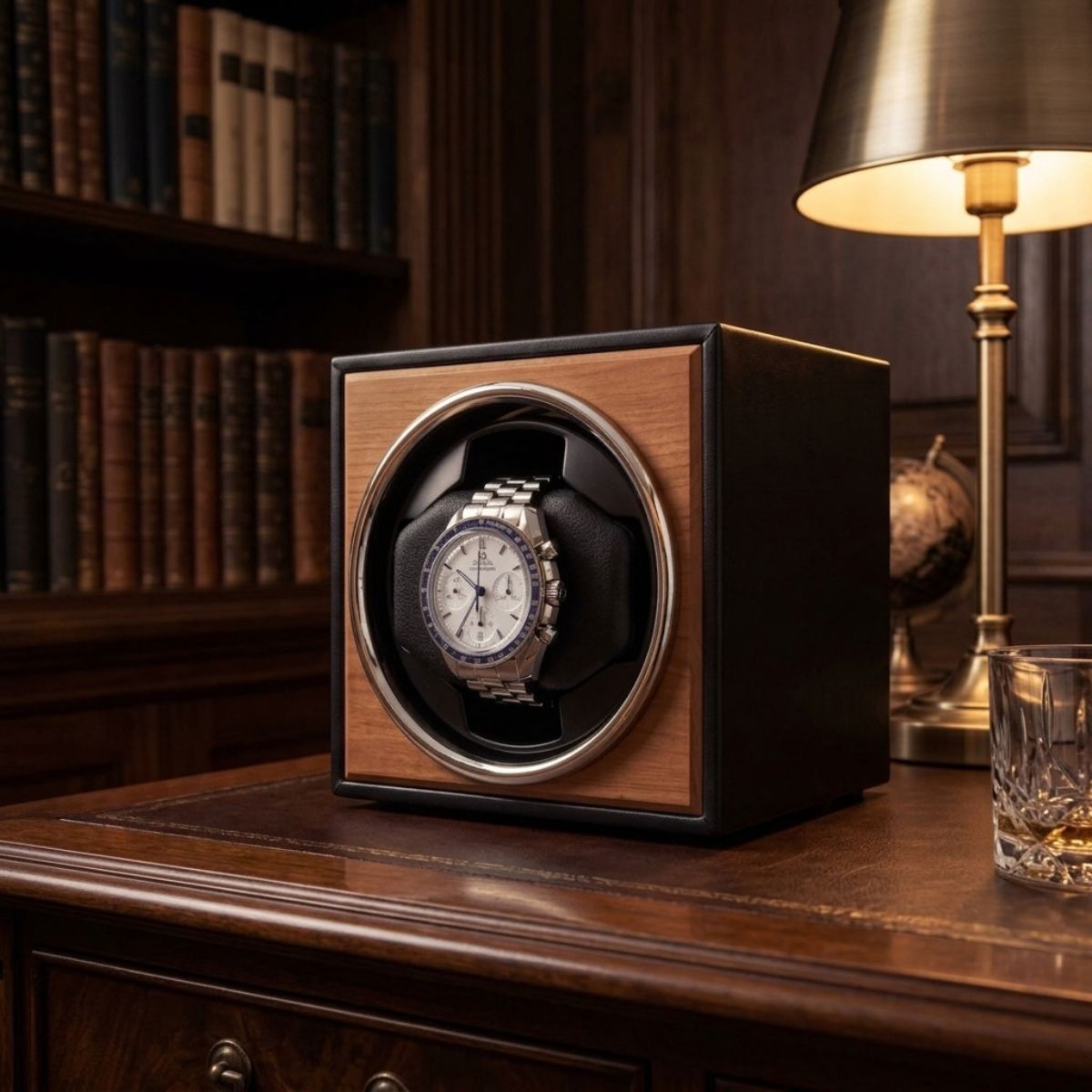
Beyond the mechanics, a winder is also a piece of furniture you'll look at daily. Fine wood veneers, lacquered finishes and soft-lined cushions hold up better over years than plastic housings, and tend to age more gracefully too.
Aftercare and Warranty
Check what happens after the warranty period ends, specifically whether the seller still offers support and spare parts once that year or two is up. It's a fair question to ask any retailer before you commit.
Shop Velmont House Watch Winders
Adjustable TPD, whisper-quiet motors and free UK delivery on every order.
Shop Watch WindersFrequently Asked Questions
What's the difference between a cheap and an expensive watch winder?
Mostly motor quality, adjustability and materials. Budget winders often use unshielded, non-programmable motors with a single fixed speed, while better winders offer shielded motors, adjustable TPD and direction settings, and finishes designed to last.
Will a winder overwind my watch?
No. Automatic movements use a slipping mainspring, a clutch that slips once full tension is reached, so the watch physically can't be overwound in the traditional sense. Continuous, non-programmable rotation can still wear the barrel wall down over time, which is why programmed rest cycles matter.
Can I use one winder for watches with different movements?
Yes, as long as the winder lets you adjust TPD and direction per watch, or between uses. A fixed-setting winder is harder to match to more than one type of movement.
Written by the Velmont House Editorial Team. We research and select every watch winder in our range, and write about watch care so you can make an informed choice, whether you're buying for yourself or as a gift.




Leave a comment
All comments are moderated before being published.
This site is protected by hCaptcha and the hCaptcha Privacy Policy and Terms of Service apply.