

An automatic watch has no battery and no electric motor. Inside the case sits a small weighted rotor that spins as your wrist moves, and that spin winds the mainspring, the coiled piece of metal that actually powers the watch. Wear it through a normal day and the rotor winds it enough to keep running for roughly 35 to 45 hours after you take it off.
Leave it in a drawer for longer than that, though, and it stops. The date slips out of sync, moon-phase complications drift, and you're left resetting everything by hand before you can wear it again. That's the problem a watch winder solves.
How Does a Watch Winder Work?

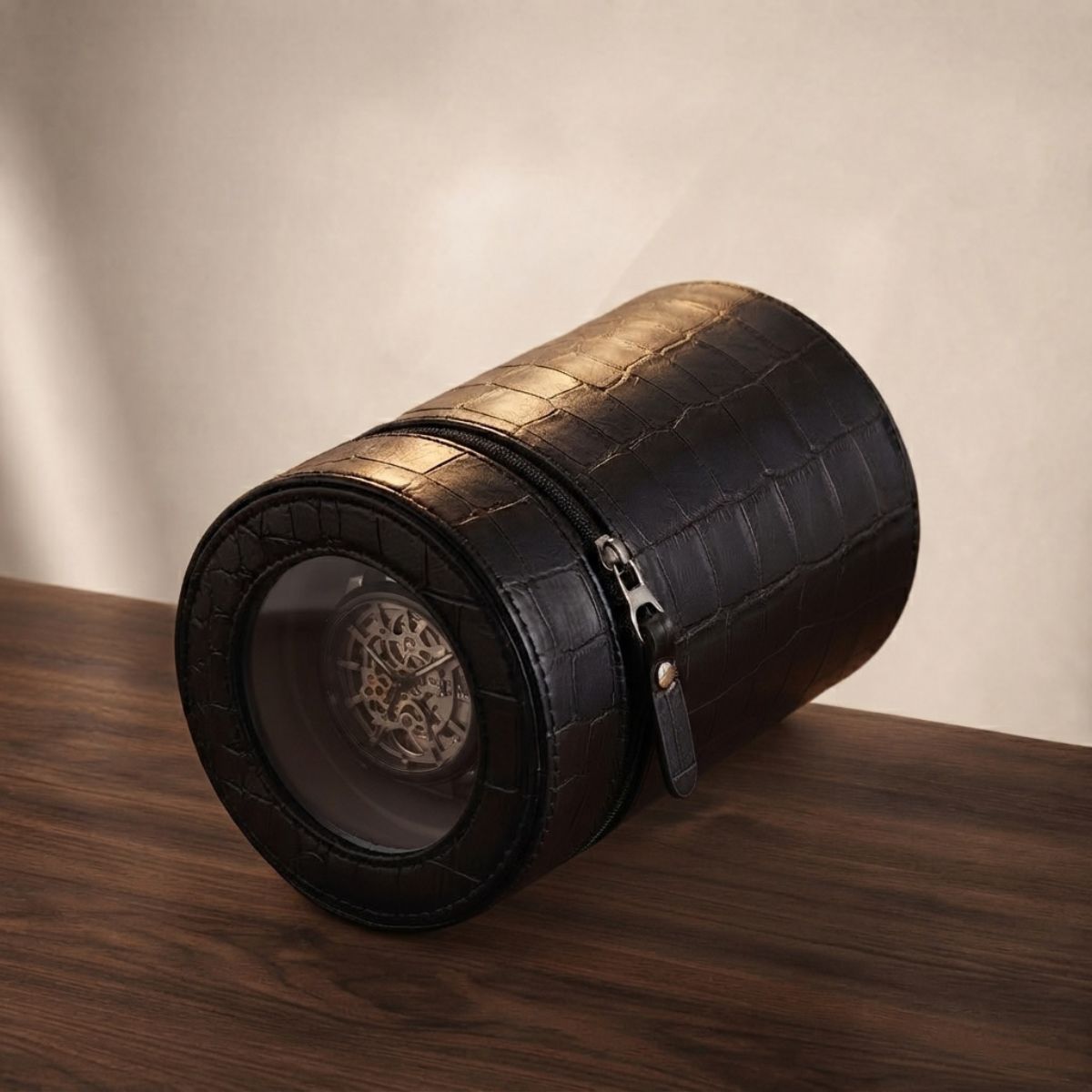
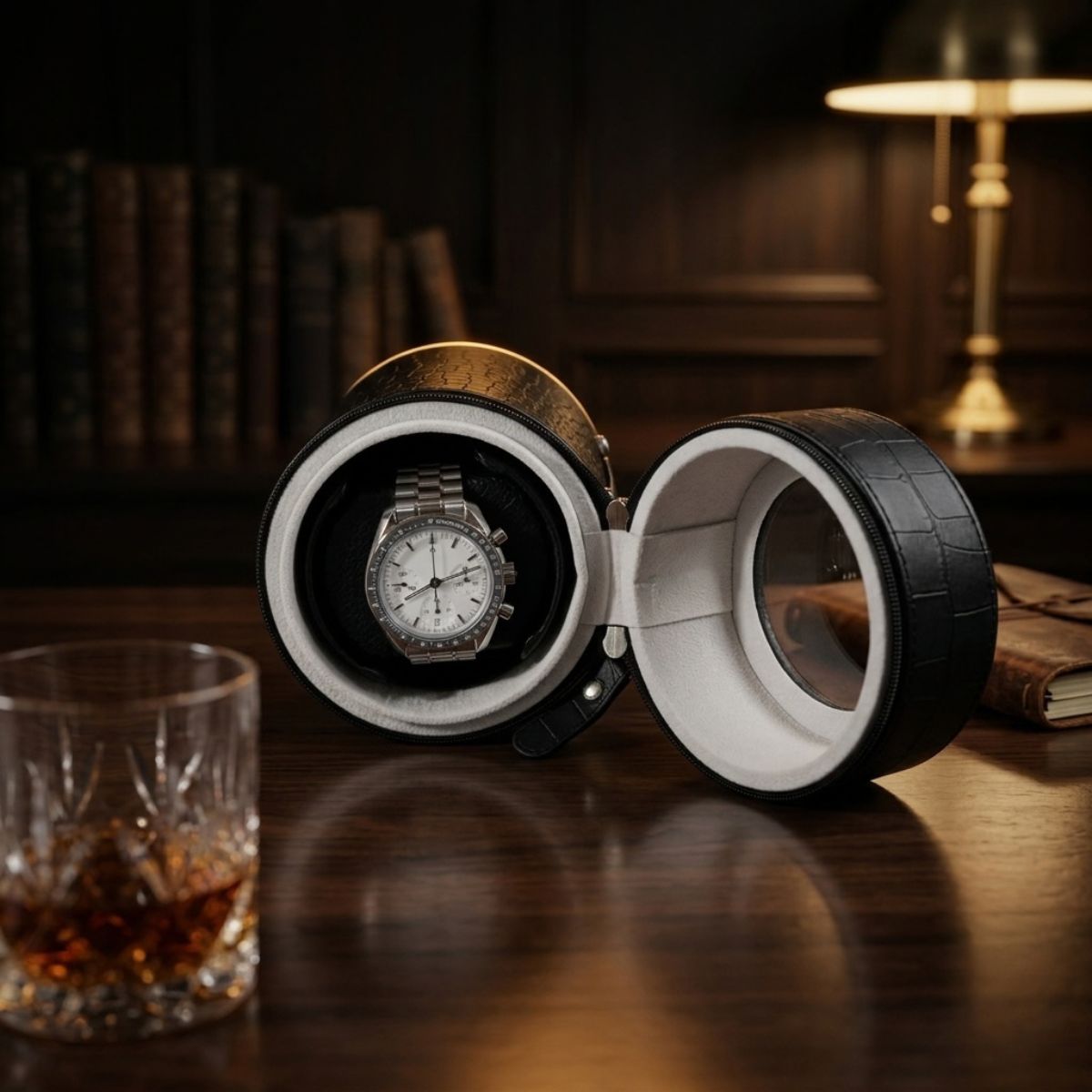
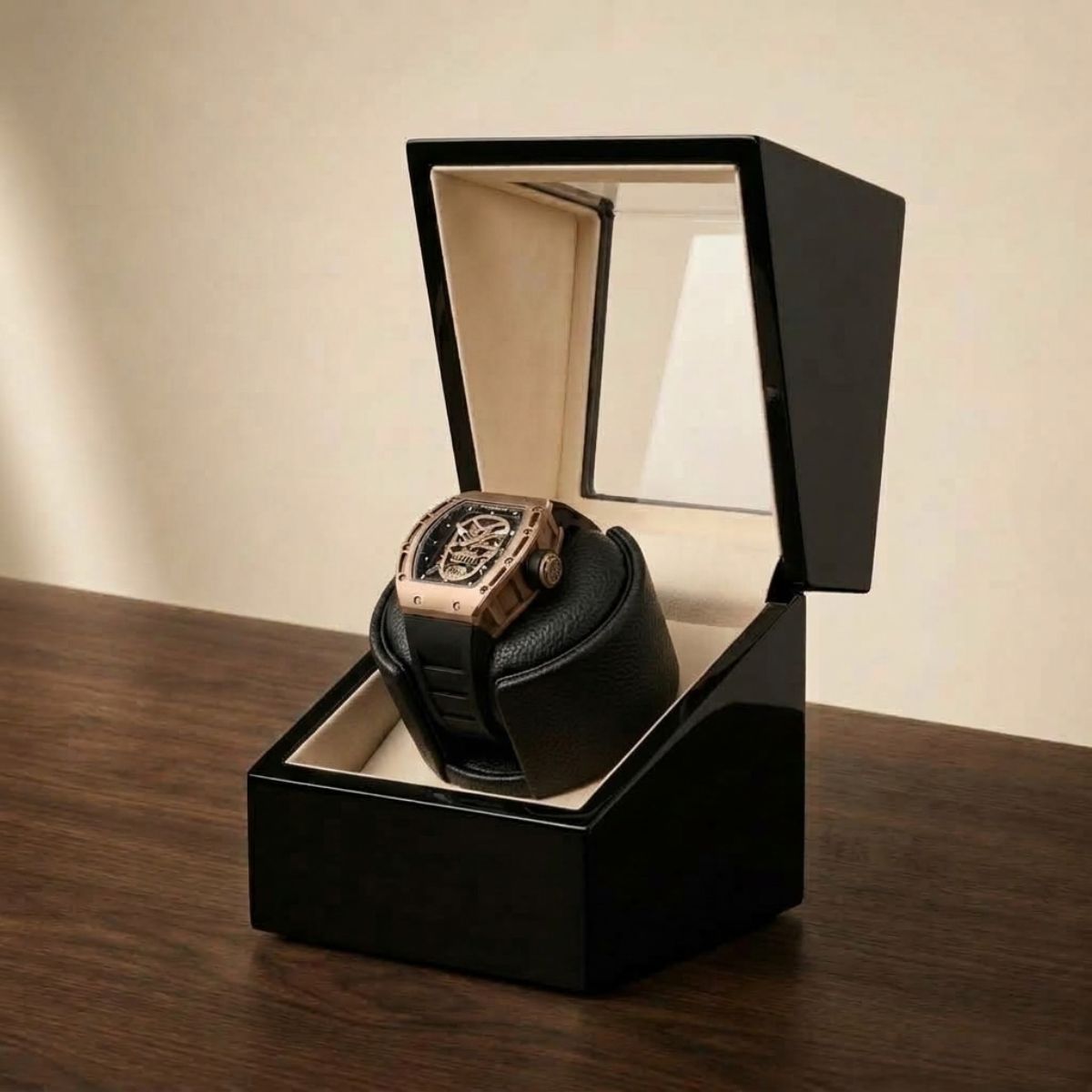
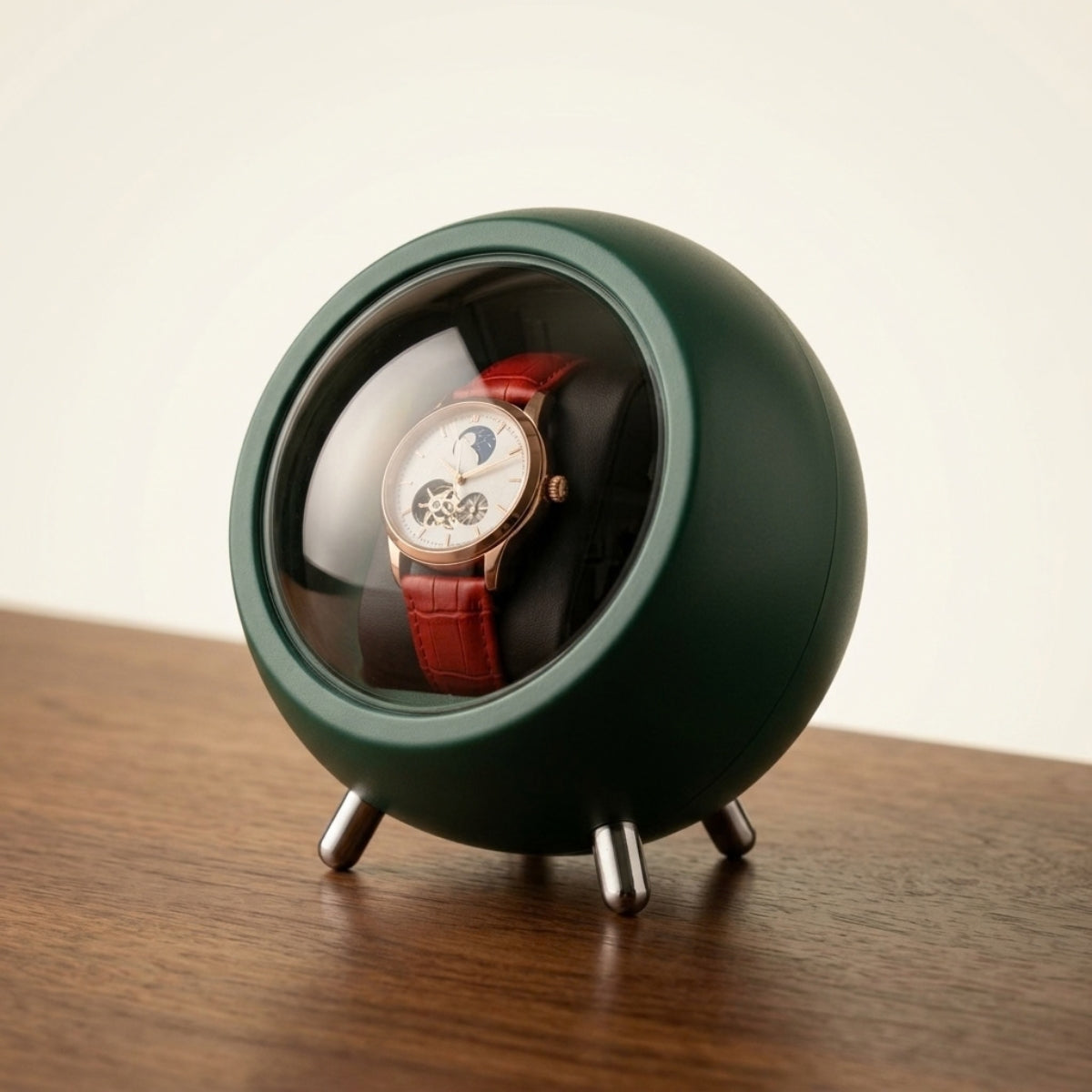
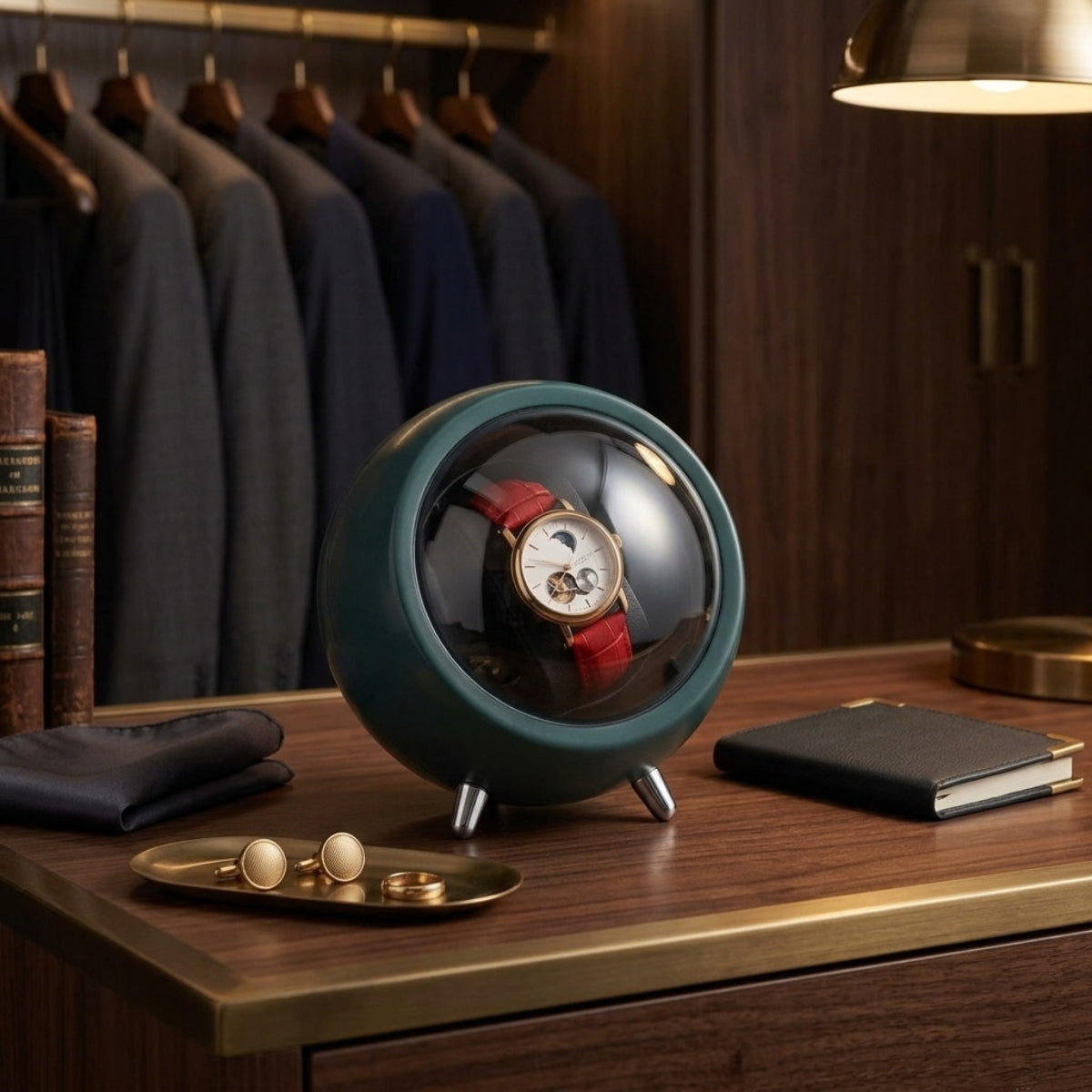
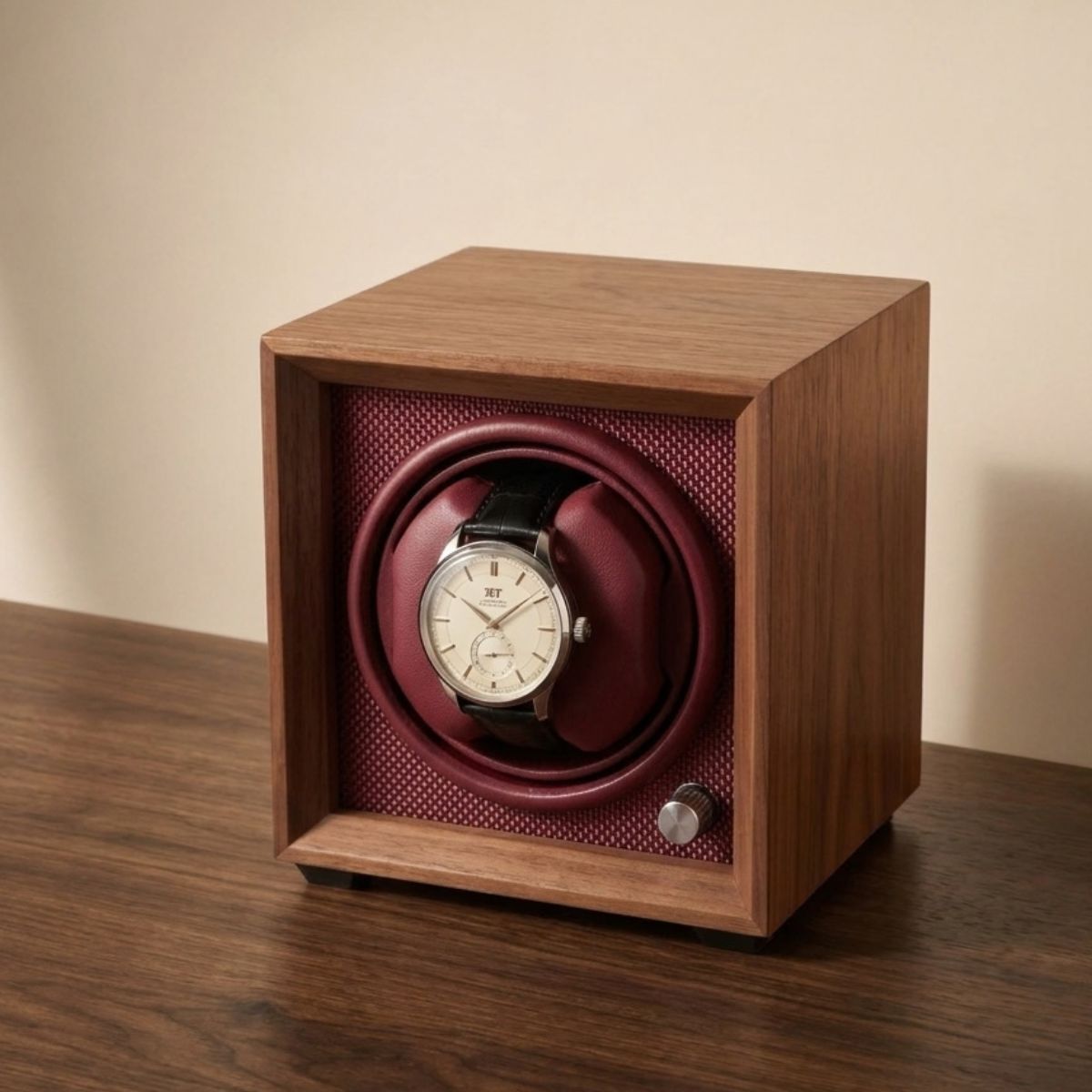
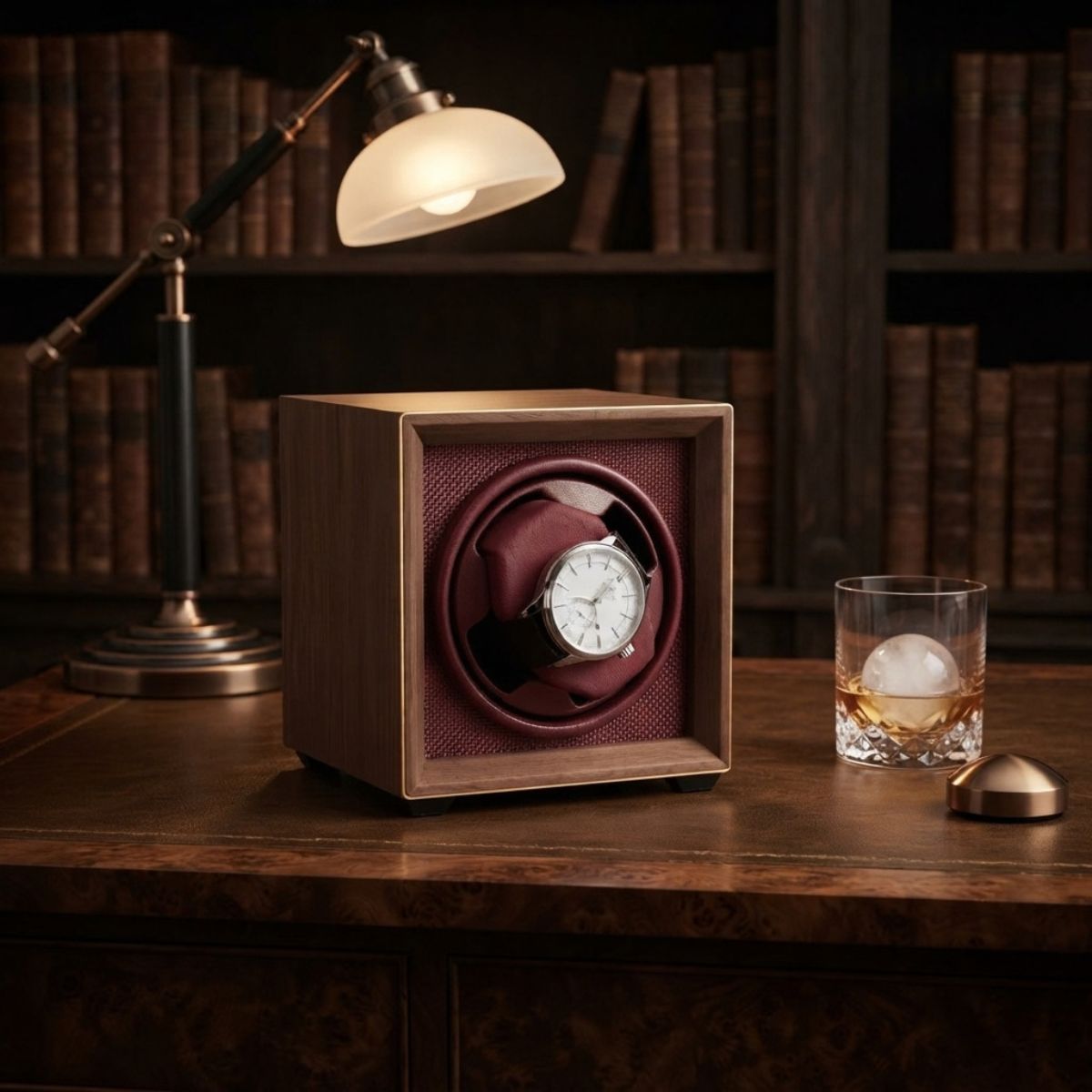
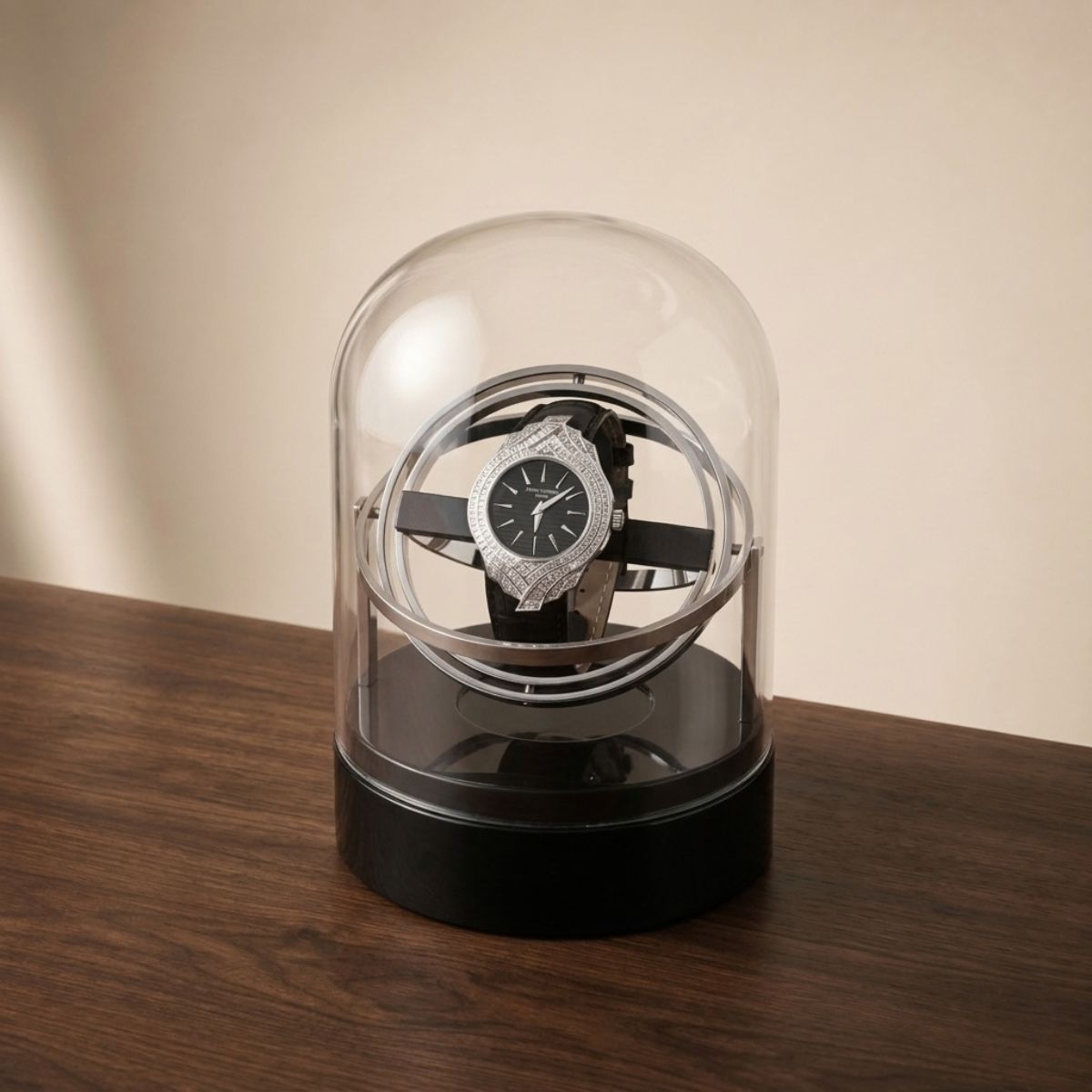
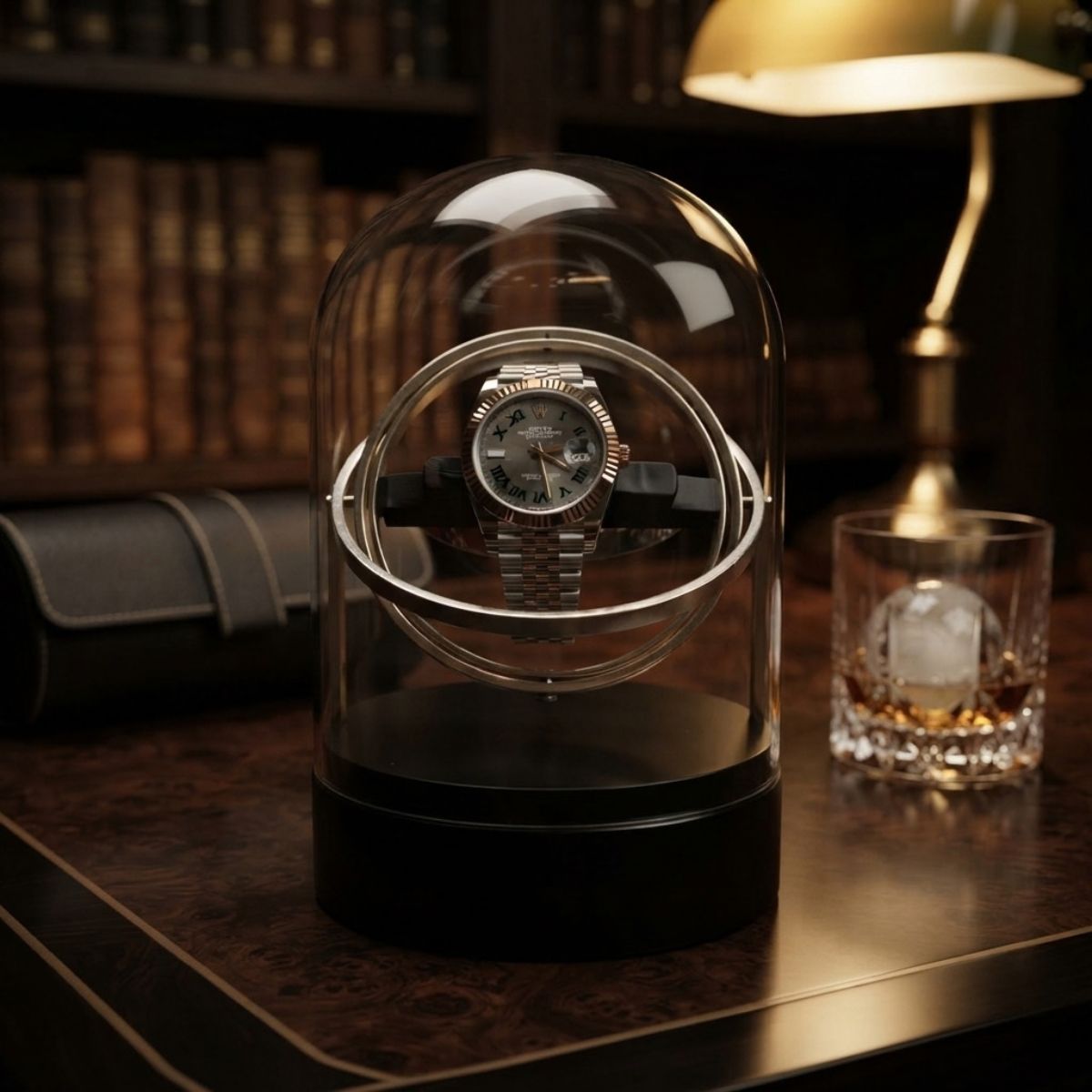
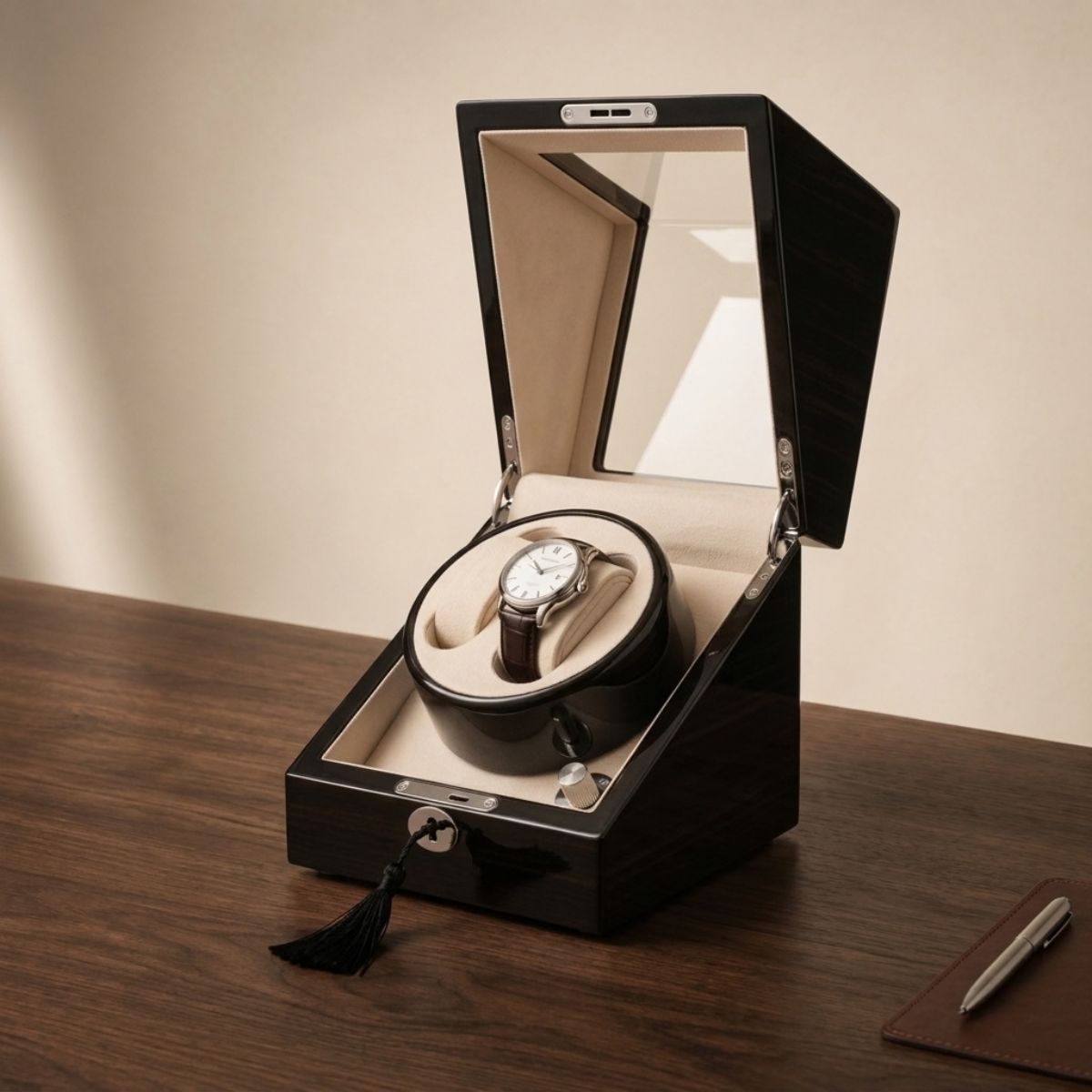
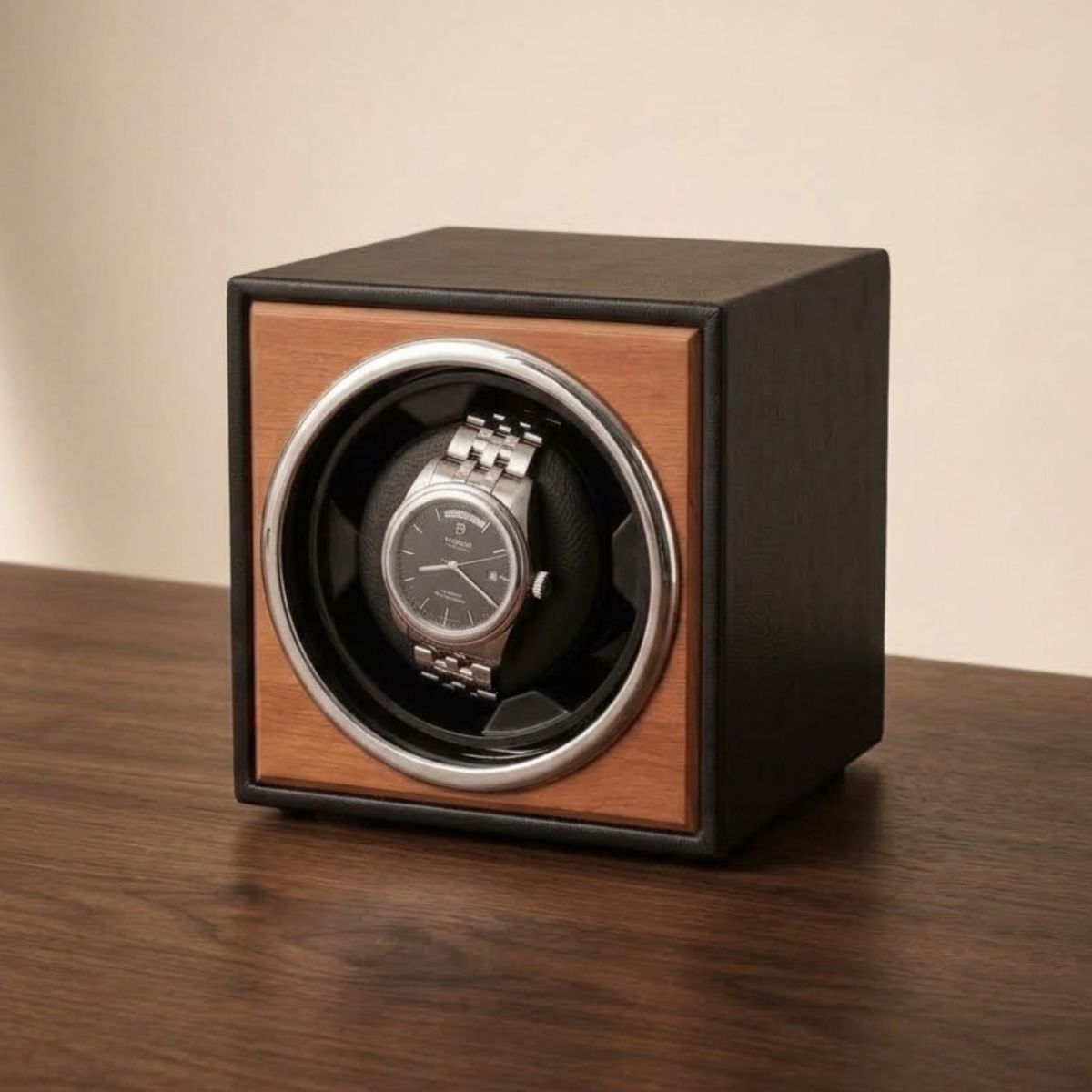
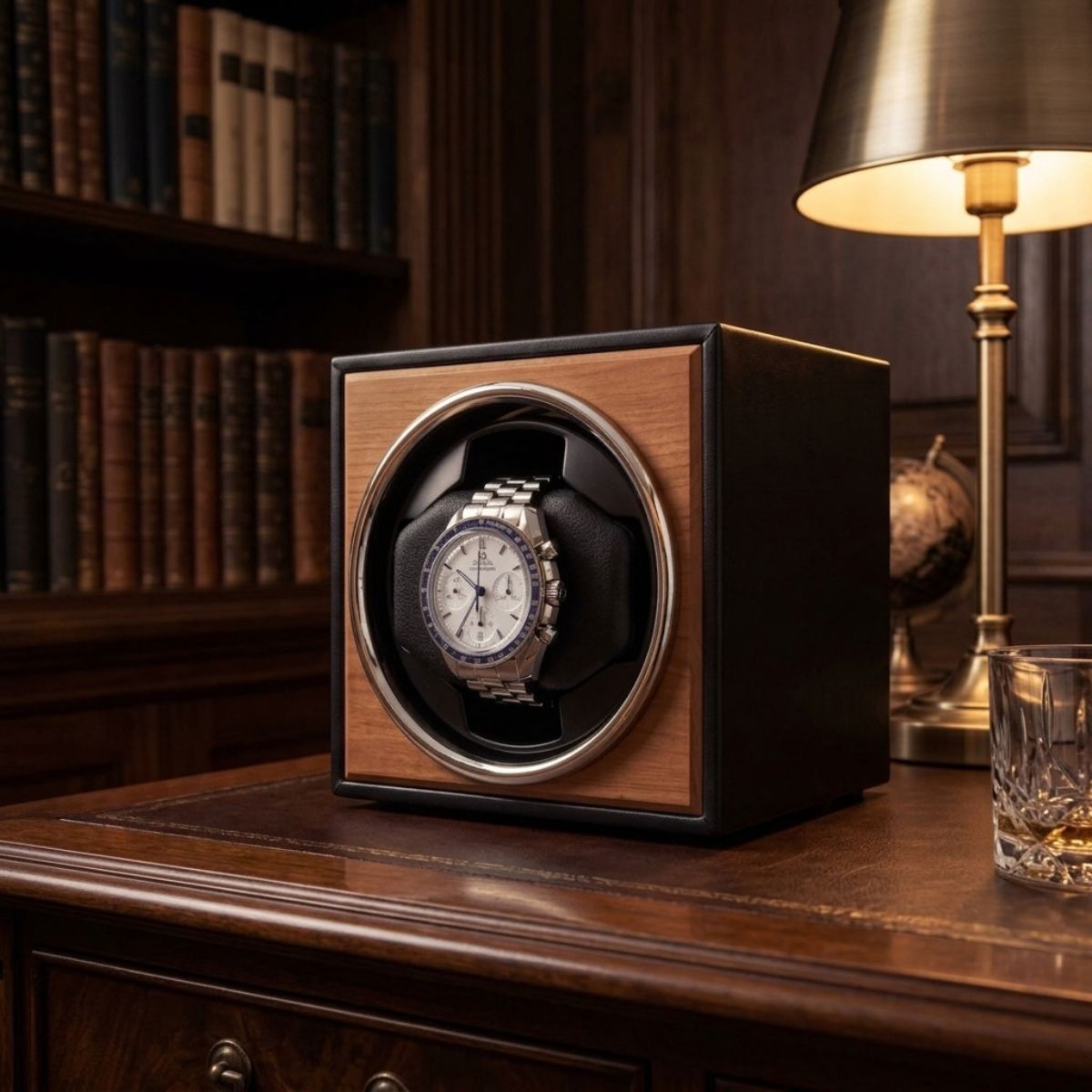
A watch winder holds your watch in a padded cushion and turns it on a set schedule, mimicking the motion of being worn. It isn't spinning constantly. Most winders run on a programmed cycle, a short burst of rotation followed by a rest period, rather than turning non-stop.
Better winders let you set two things: how many turns per day the watch receives, and which direction it turns in (clockwise, counter-clockwise, or both). Both settings matter more than they might seem, and we'll come back to why.
Did you know? Not every automatic movement winds in both directions. Some chronograph calibres only wind when turned counter-clockwise, so a winder without adjustable direction can spin for hours without actually winding the watch inside it.
Do You Need a Watch Winder?

If you wear one watch most days, probably not. The simplest fix for a single, regularly worn watch is your wrist.
A winder earns its place once you own more than one automatic watch, or own a watch with a perpetual calendar, moon-phase or other complication that's genuinely tedious to reset by hand. If your grail piece sits in a drawer for a week between wears, a winder keeps it accurate and ready, rather than stopped and waiting for you to set it again.
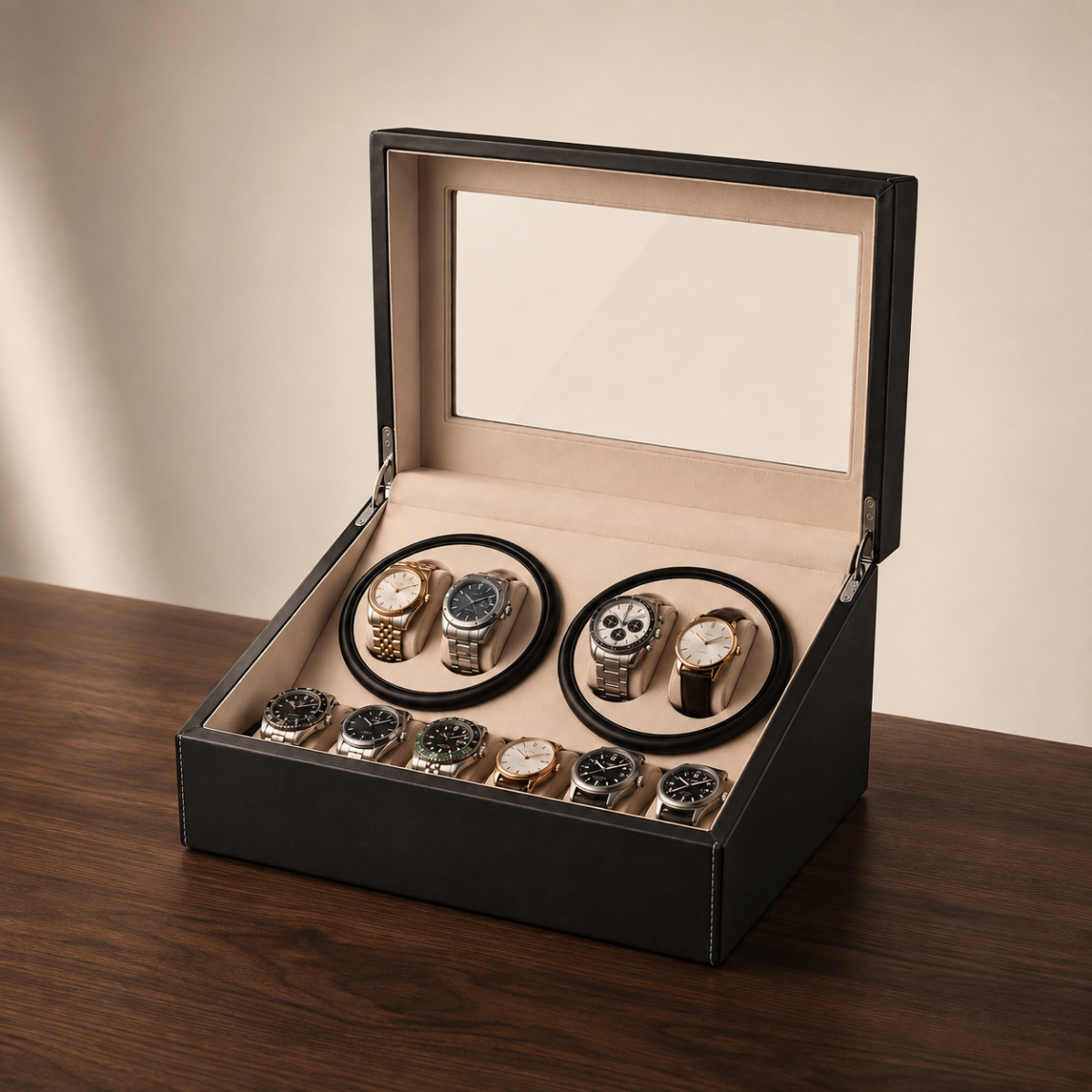
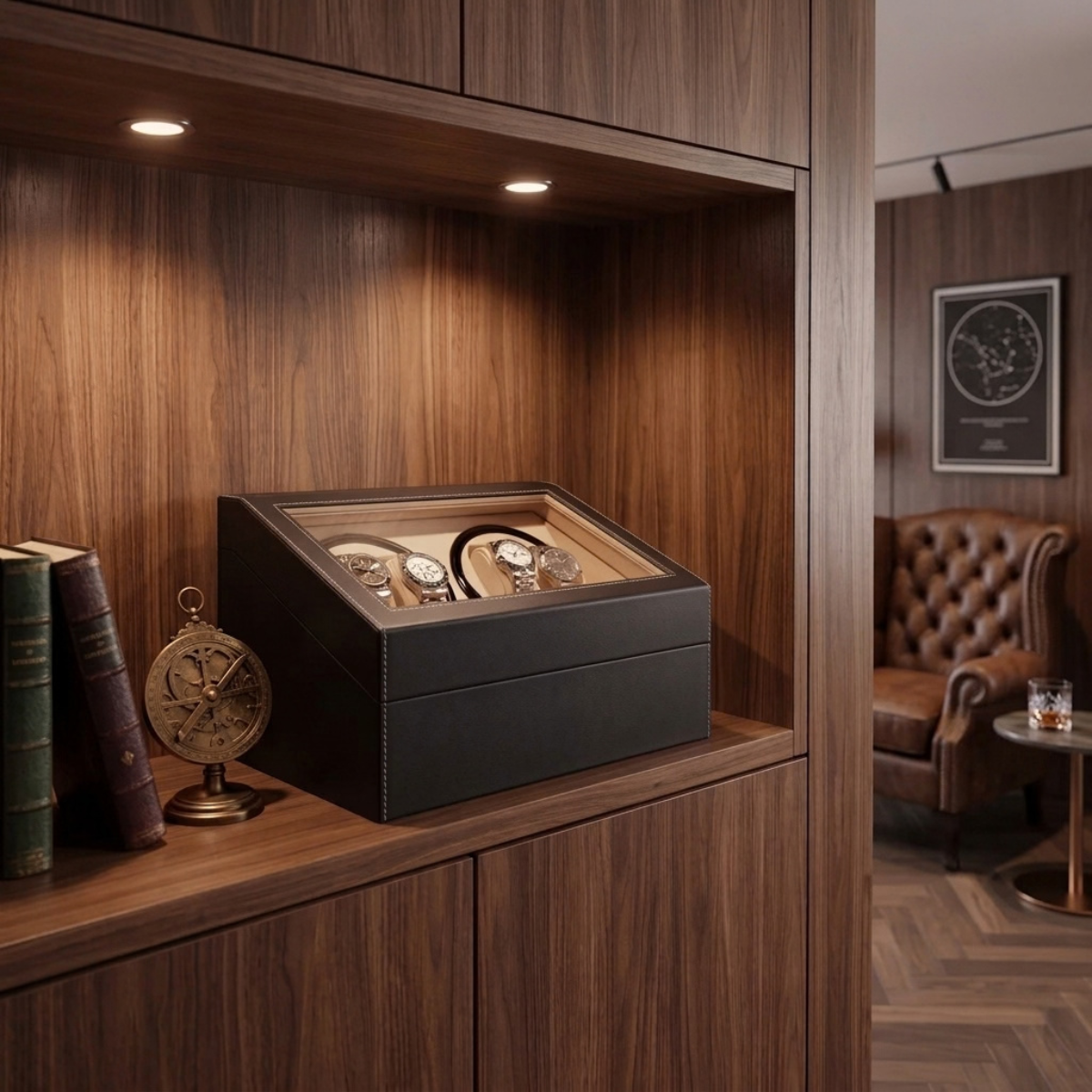
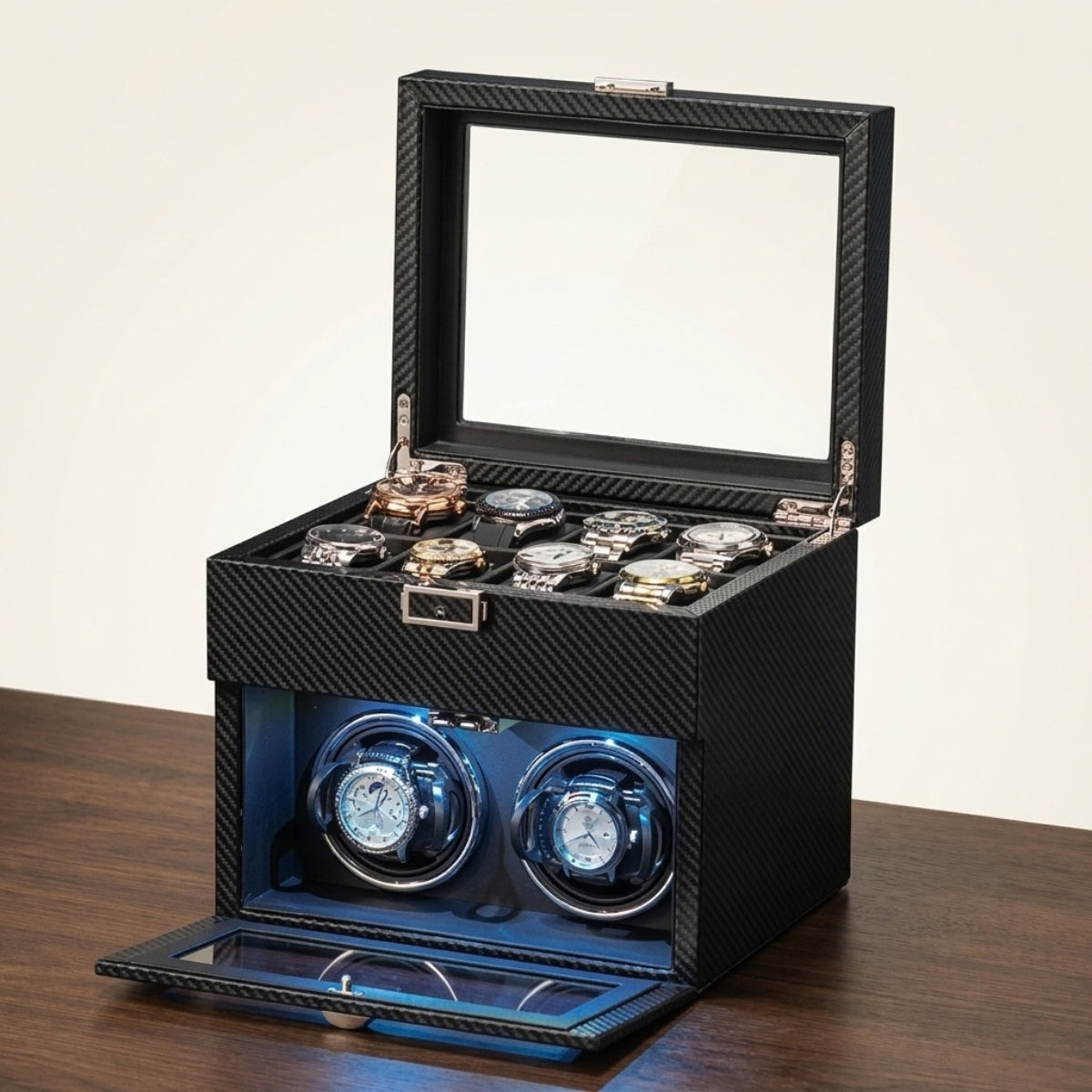
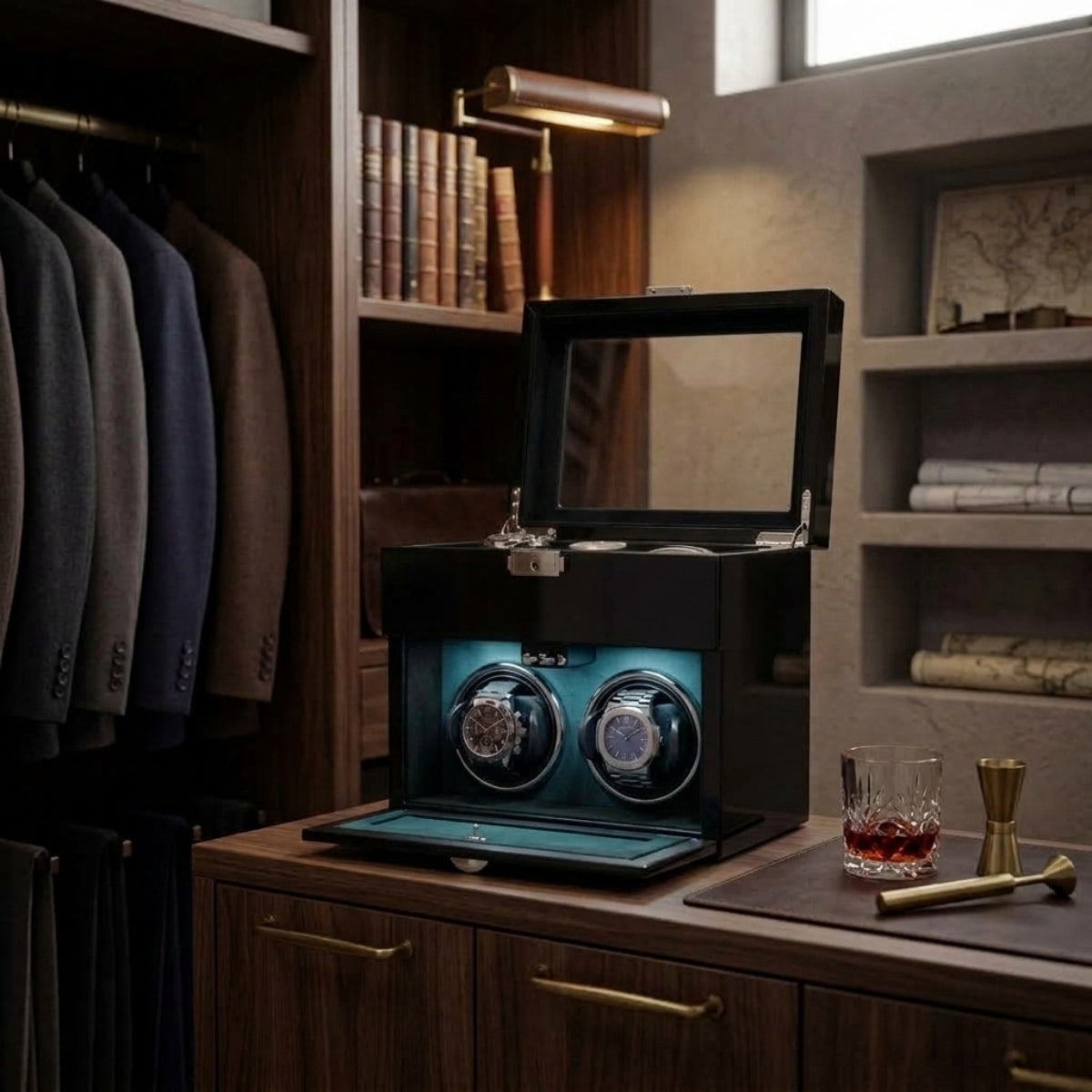
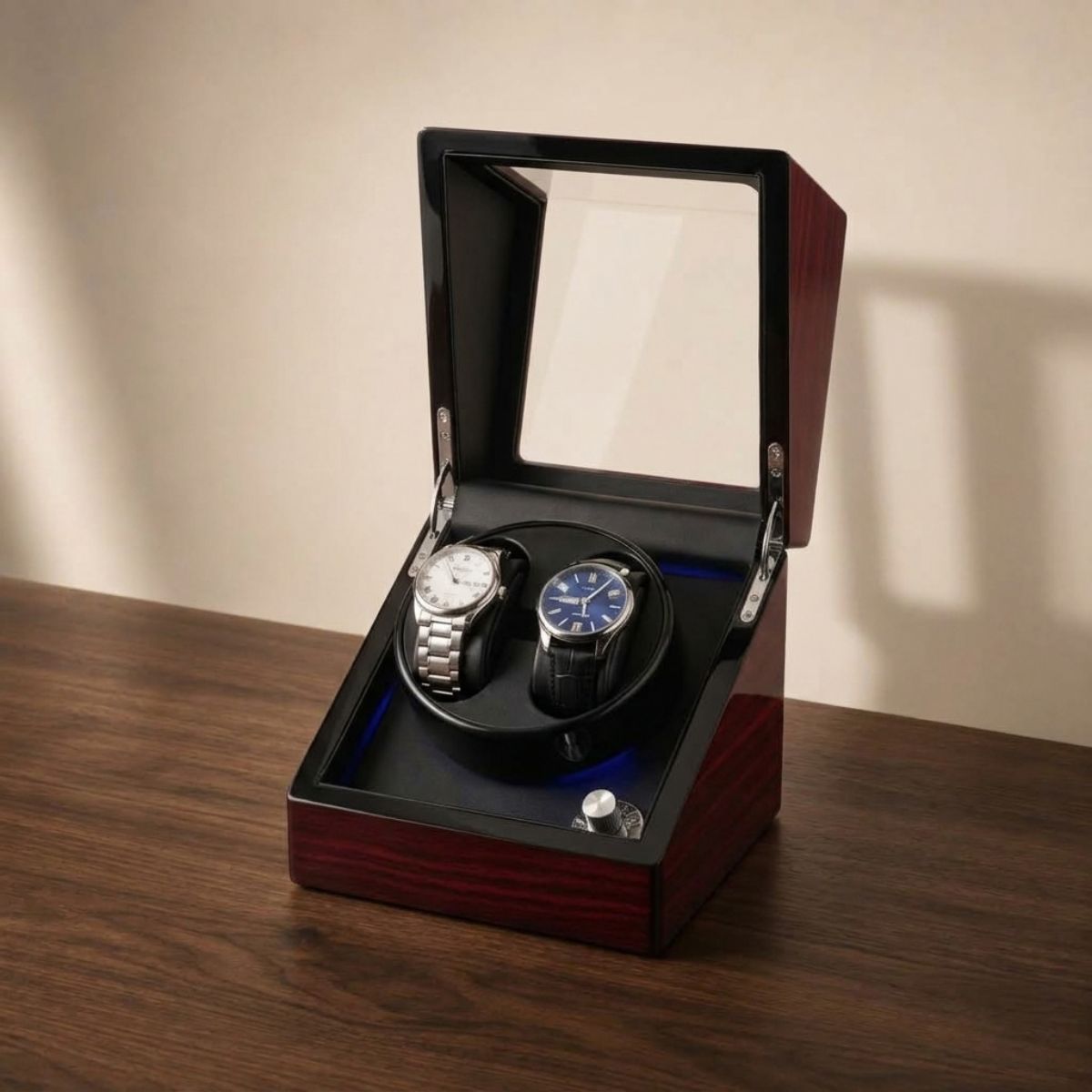
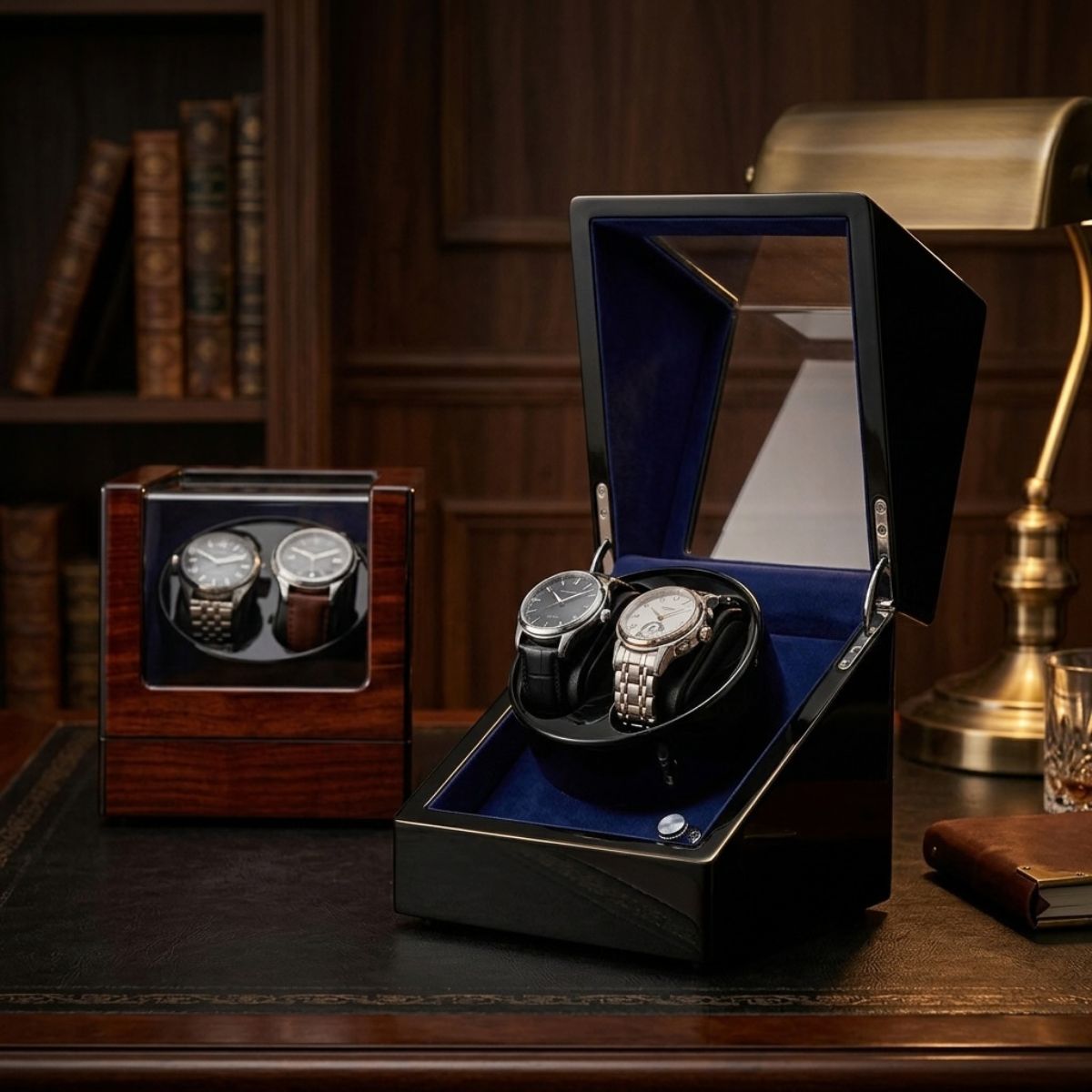
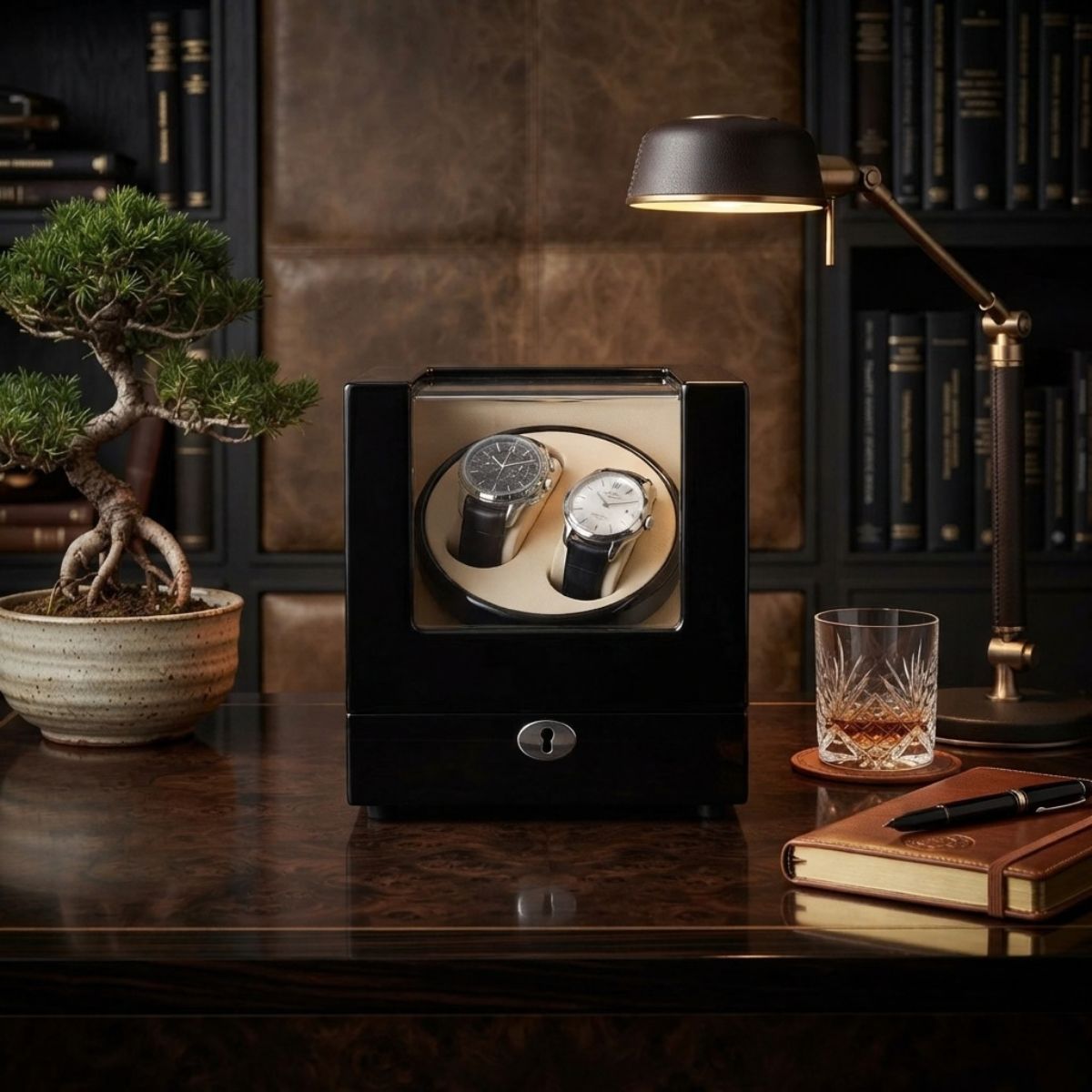
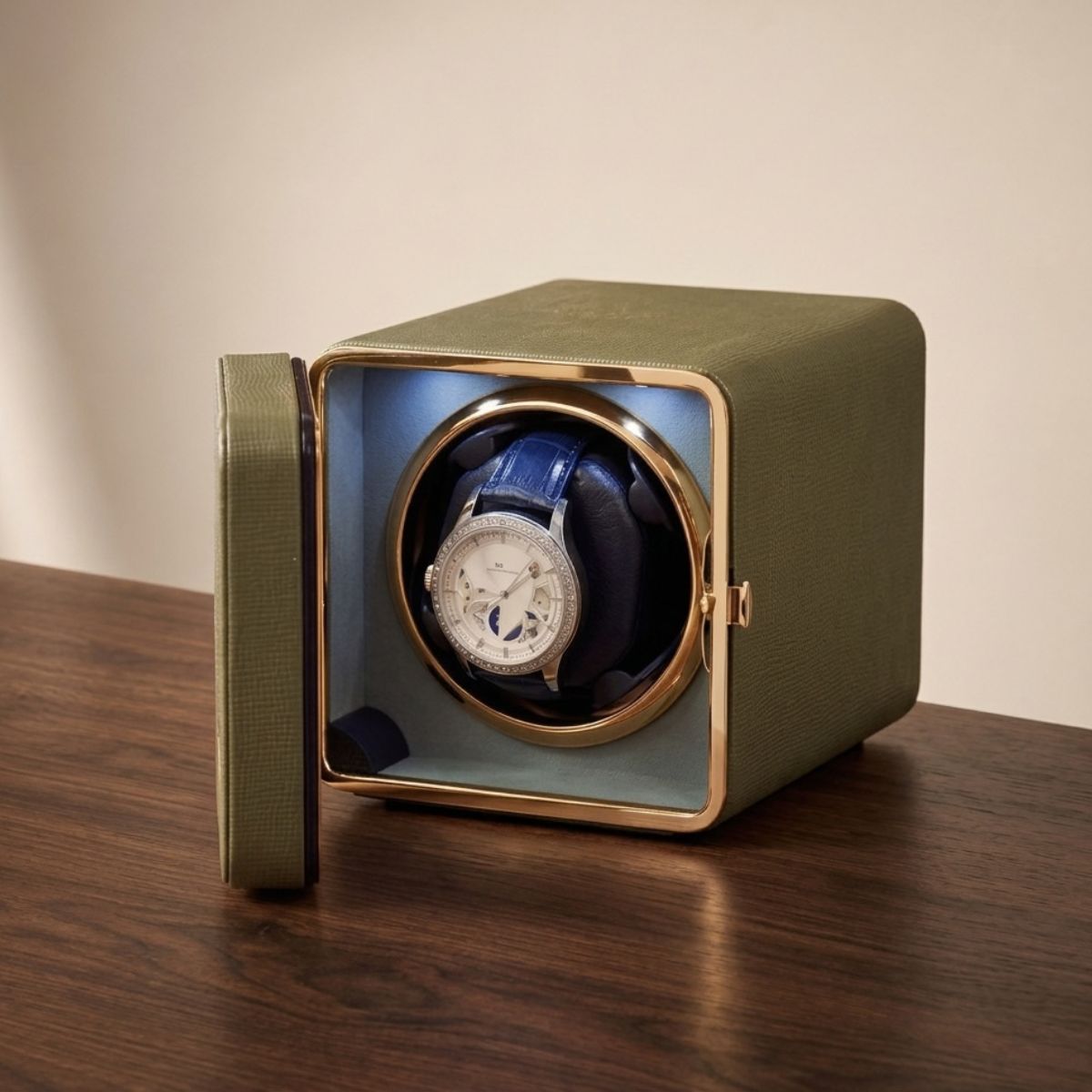
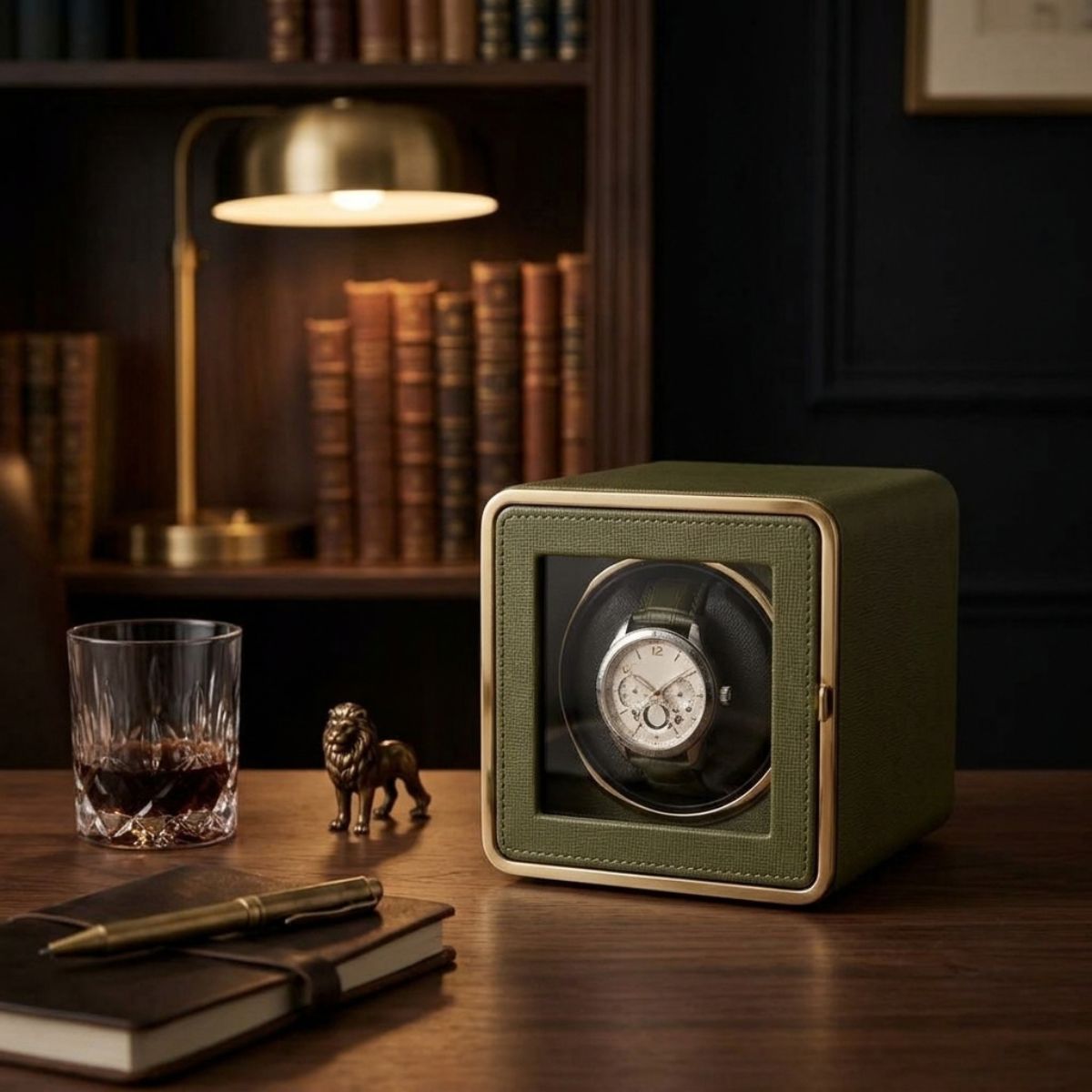
Winders are sold in configurations to match your collection: single, double, and multi-watch versions holding three, six or more pieces at once.
How to Use a Watch Winder
Using one is straightforward:
- Secure the watch onto the padded cushion, with the strap or bracelet fastened as you'd normally wear it.
- Place the cushion inside the winder.
- Set the turns per day (TPD) and rotation direction to match your watch's movement. Check the manufacturer's manual if you're not sure.
- Switch it on. The winder will run its programme automatically from there.
What If My Watch Has Already Stopped?
A winder can't restart a watch that has already stopped completely. If the power reserve has run out, wind the crown by hand first to get it running again, then place it in the winder to keep it going.
Single, Double or Multi? Choosing the Right Winder

The right size comes down to how many automatic watches you actually own and wear in rotation, not how many you might own one day.
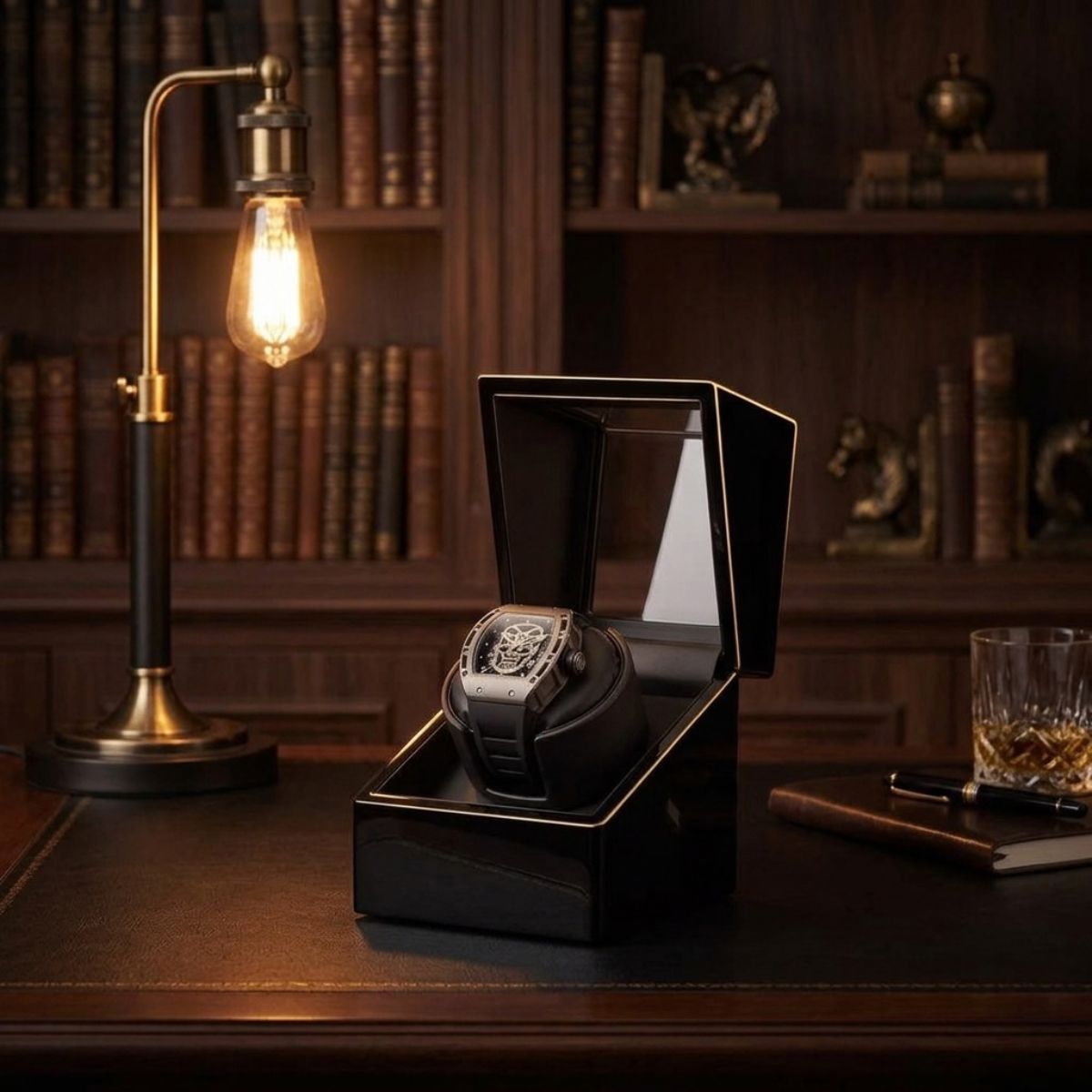
- One watch, worn occasionally: a single watch winder
- Two watches in rotation, such as a daily piece and a dress watch: a double watch winder
- A growing collection of three or more: a multi watch winder
We've written a full buying guide that goes further into TPD, motor quality and what to check before you buy. Buying one for someone else? Our gift guide covers how to choose without knowing every technical detail.
Shop Velmont House Watch Winders
Single, double and multi-watch options, with free UK delivery and 30-day returns.
Shop Watch WindersFrequently Asked Questions
Can a watch winder damage my watch?
A well-built one shouldn't. The risk comes from cheap, unshielded motors that can leak magnetic flux and affect the balance spring over time, and from winders that only offer constant, non-adjustable rotation. Look for a shielded motor and adjustable TPD and direction settings.
How many turns per day does my watch need?
It depends on the calibre, typically somewhere between 600 and 950 turns per day, but the exact figure varies by manufacturer. Check your watch's manual or the manufacturer's specification if you're unsure.
Can I put a stopped watch straight into a winder?
No. A winder maintains a watch that's already running. If your watch has fully stopped, wind the crown by hand first, then place it in the winder to keep it going.
Do I need a winder if I only own one watch?
Only if you don't wear it every day. If it's worn most days, your wrist does the job. If it sits unworn for a week or more at a time, a single watch winder will keep it accurate and save you resetting it each time.
Written by the Velmont House Editorial Team. We research and select every watch winder in our range, and write about watch care so you can make an informed choice, whether you're buying for yourself or as a gift.

Leave a comment
All comments are moderated before being published.
This site is protected by hCaptcha and the hCaptcha Privacy Policy and Terms of Service apply.